
Facial harmony is influenced by the relationship between different facial features, including the nose, chin, cheeks, forehead, and jawline. Because the nose occupies a central position on the face, even subtle changes to its shape or proportions can influence overall facial appearance. For individuals who feel that their nose looks disproportionate to their other features, nose reshaping may be an option worth exploring.
Rhinoplasty in Riyadh (عملية تجميل الأنف في الرياض) has become an important consideration for people interested in improving nasal appearance while maintaining their natural facial characteristics. Modern rhinoplasty approaches focus on understanding individual facial anatomy, aesthetic preferences, and nasal function before developing a personalized surgical plan.
However, achieving a balanced facial profile does not necessarily mean creating a smaller or completely different nose. Instead, the objective is to consider how the nose complements the surrounding features. Understanding the relationship between nasal structure and facial proportions can help individuals make informed decisions about nose reshaping in Riyadh.
Understanding the Relationship Between the Nose and Facial Balance
The nose plays a significant role in defining the overall appearance of the face. Its length, width, projection, bridge, and tip shape can influence how other facial features appear in relation to one another.
For example, a prominent nasal bridge may attract more attention when viewed from the side, while a wider nasal tip may influence the appearance of the lower facial area. Similarly, the relationship between the nose and chin can affect the overall impression of facial projection.
Facial balance is not based on one universal measurement. Every individual has different anatomical characteristics, and what looks proportionate on one person may appear different on someone else.
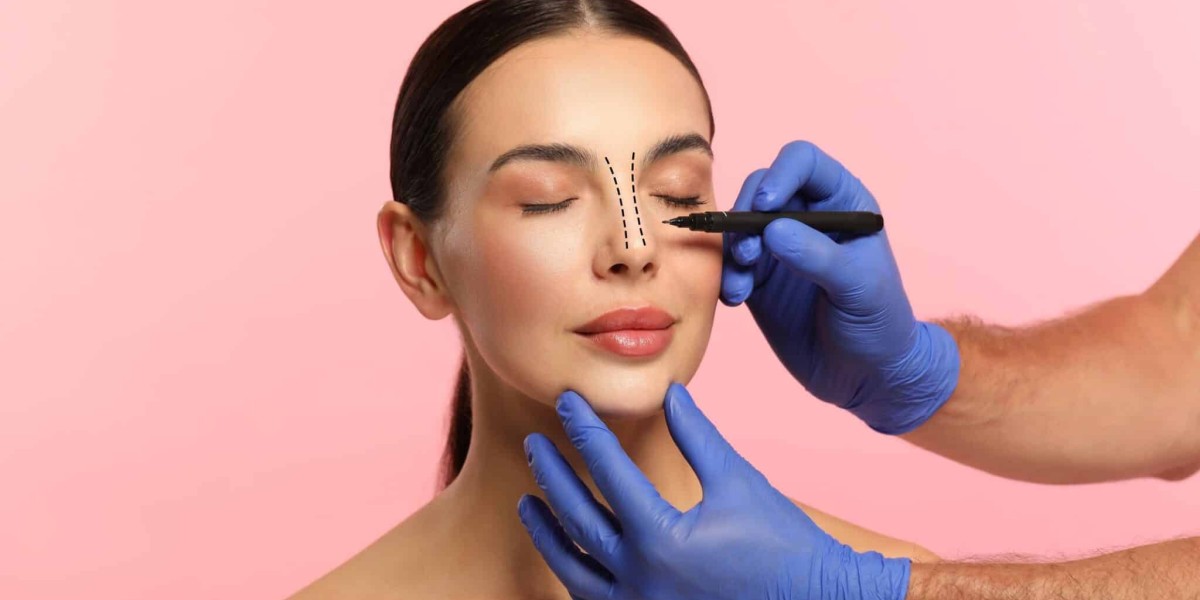
During a rhinoplasty assessment, the surgeon considers the nose from multiple angles. The front, side, and three-quarter views help provide a better understanding of nasal proportions and how they relate to the rest of the face.
How Rhinoplasty in Riyadh Can Improve Facial Proportions
Rhinoplasty in Riyadh involves surgical techniques designed to modify the shape, structure, or proportions of the nose. Depending on individual concerns, the procedure may address the nasal bridge, tip, nostrils, or overall nasal projection.
The purpose of treatment is to create improvements that complement the patient's natural facial anatomy rather than follow a standardized aesthetic appearance.
Refining the Nasal Bridge
The nasal bridge contributes significantly to the side profile. Some individuals have a noticeable dorsal hump, an uneven bridge, or a shape that appears disproportionate to their other features.
Rhinoplasty may involve carefully modifying the underlying nasal structure to create a smoother and more harmonious appearance. The amount of adjustment depends on the existing anatomy and the desired surgical outcome.
A balanced nasal bridge should complement the forehead, nose tip, and surrounding facial structures.
Improving Nasal Tip Definition
The nasal tip is another important element of facial appearance. It may appear rounded, broad, drooping, or insufficiently defined depending on the individual's cartilage structure and skin thickness.
Tip refinement techniques can help improve the shape and positioning of the nasal tip. The surgeon evaluates the cartilage, skin characteristics, and existing nasal support before determining an appropriate approach.
The goal is to achieve a refined appearance without compromising the natural character of the nose.
Adjusting Nasal Width
Nasal width can influence the appearance of facial proportions, particularly when viewed from the front. Some individuals may feel that their nostrils or nasal base appear wider than they would prefer.
Depending on the patient's anatomy, rhinoplasty may include techniques to modify the width of the nasal base. Such adjustments require careful planning because excessive narrowing can create an unnatural appearance or affect nasal function.
The Importance of Personalized Rhinoplasty in Saudi Arabia
Every face has its own proportions, structure, and aesthetic characteristics. Therefore, a surgical approach that works well for one individual may not be appropriate for another.
Rhinoplasty in Saudi Arabia increasingly involves personalized treatment planning that considers both appearance and nasal functionality. Rather than concentrating exclusively on the nose, the assessment considers how proposed changes may influence the entire facial profile.
A personalized consultation generally involves examining nasal anatomy, discussing aesthetic concerns, reviewing medical history, and evaluating breathing function.
The surgeon may also consider skin thickness, cartilage strength, nasal bone structure, and previous injuries or procedures. These factors can influence which techniques are suitable and what results may realistically be achieved.
Understanding these details helps establish expectations that are consistent with the patient's anatomy.
How Rhinoplasty Can Influence the Side Facial Profile
The side profile provides a different perspective on nasal proportions. It highlights the relationship between the forehead, nasal bridge, nasal tip, lips, and chin.
For individuals concerned about a prominent nose or an uneven nasal contour, rhinoplasty may help create a smoother relationship between these structures.
Balancing the Nose and Chin
The relationship between the nose and chin is particularly important when evaluating facial projection. A prominent nose may appear more noticeable when the chin is relatively recessed.
Likewise, changes to nasal projection can influence how the chin appears in relation to the rest of the face.
A comprehensive facial assessment helps determine whether nasal reshaping alone is appropriate for the individual's aesthetic goals. Rhinoplasty does not directly change chin structure, so other facial characteristics must be considered during planning.
Creating a More Harmonious Facial Outline
The nasal bridge and tip contribute to the overall contour of the face. An uneven bridge, excessive projection, or an asymmetrical nasal tip may influence the appearance of the side profile.
Surgical refinement may help improve these characteristics while preserving the structural support necessary for nasal function.
The aim is not to make every facial feature identical or symmetrical but to achieve a result that appears natural and proportionate.
Different Rhinoplasty Techniques Available in Riyadh
The choice of rhinoplasty technique depends on the patient's nasal structure, treatment requirements, and the complexity of the proposed changes.
Modern surgical approaches generally include open and closed rhinoplasty.
Open Rhinoplasty
Open rhinoplasty involves a small incision across the columella, the tissue separating the nostrils. This approach allows the surgeon to lift the nasal skin and obtain a clearer view of the underlying cartilage and bone.
It may be considered for more complex structural changes, significant tip refinement, or revision procedures.
The technique provides direct visualization of the nasal framework, although the suitability of open rhinoplasty depends on the individual case.
Closed Rhinoplasty
Closed rhinoplasty involves incisions placed inside the nostrils. Because the external columellar incision is avoided, there is no visible external incision from this approach.
It may be suitable for selected patients who require specific nasal modifications that can be performed through internal access.
The decision between open and closed rhinoplasty depends on the required surgical adjustments rather than personal preference alone.
Can Rhinoplasty Improve Both Appearance and Breathing?
Although many people consider nose reshaping for aesthetic reasons, nasal function is equally important. The internal structures of the nose play an essential role in airflow, breathing, and overall nasal health.
Some individuals experience breathing difficulties because of a deviated septum, narrowed nasal passages, or structural abnormalities.
In appropriate cases, functional rhinoplasty or septorhinoplasty may address structural problems while also considering external nasal appearance.
A comprehensive evaluation may include an examination of the septum, nasal valves, turbinates, and other internal structures.
It is important to understand that cosmetic rhinoplasty does not automatically improve breathing. In some circumstances, poorly planned structural changes can negatively affect nasal airflow. Therefore, maintaining or improving nasal function should remain an important part of surgical planning.
What to Expect During Rhinoplasty Consultation in Riyadh
A consultation is an important stage in determining whether nose reshaping is suitable. It provides an opportunity to discuss personal concerns, understand available techniques, and establish realistic expectations.
The surgeon typically evaluates the external and internal nasal structures while considering the patient's overall facial proportions.
Patients may discuss concerns such as a prominent nasal bridge, a wide nasal tip, asymmetry, or difficulty breathing. Previous nasal surgery, injuries, allergies, and relevant medical conditions may also be discussed.
Photographs from different angles can help document existing nasal characteristics and support treatment planning.
It is equally important to discuss potential risks, recovery expectations, limitations, and the possibility that the final appearance may differ from initial expectations.
Recovery and Healing After Nose Reshaping Surgery
Recovery following rhinoplasty takes time, and the healing process varies between individuals. Swelling and bruising around the nose and eyes are common during the initial recovery period.
A nasal splint may be used temporarily to support and protect the nose while the tissues begin healing. Patients are generally advised to follow their surgeon's instructions regarding cleaning, sleeping positions, physical activity, and follow-up appointments.
Most noticeable swelling gradually decreases over the following weeks. However, subtle swelling, particularly around the nasal tip, may persist for several months.
Final results can take up to a year or longer to become fully apparent, depending on the surgical technique and individual healing characteristics.
Patience is important because the nose continues to undergo gradual changes throughout the recovery period.
What Makes a Natural-Looking Rhinoplasty Result?
A natural-looking outcome depends on several factors, including the patient's anatomy, surgical planning, technique, and healing response.
The most appropriate result is not necessarily the smallest or most sharply defined nose. Instead, it should maintain a harmonious relationship with the forehead, cheeks, lips, and chin.
Preserving sufficient structural support is also essential. Removing too much cartilage or bone can compromise nasal stability and potentially affect breathing.
For this reason, modern rhinoplasty focuses on carefully planned modifications rather than excessive changes.
Individuals considering Rhinoplasty in Riyadh should prioritize realistic expectations, appropriate surgical expertise, and a thorough understanding of both aesthetic and functional considerations.
Frequently Asked Questions
1. Can Nose Reshaping in Riyadh Improve Facial Balance?
Yes, rhinoplasty may improve facial balance by modifying nasal features such as the bridge, tip, width, and projection. The suitability of treatment depends on individual facial anatomy and aesthetic goals.
2. Is Rhinoplasty in Saudi Arabia Suitable for Different Nose Shapes?
Yes, rhinoplasty techniques can address different nasal characteristics, including a prominent bridge, wide nostrils, rounded tips, and asymmetry. The appropriate approach depends on the patient's structural requirements.
3. How Long Does It Take to Recover From Rhinoplasty in Riyadh?
Initial recovery generally takes a few weeks, although swelling may continue to decrease over several months. Final results can take approximately a year or longer to become fully visible.
4. Can Rhinoplasty Correct a Crooked Nose?
Rhinoplasty may help improve the appearance of a crooked nose by adjusting the nasal bones, cartilage, and supporting structures. The outcome depends on the underlying cause and complexity of the deviation.
5. Does Rhinoplasty in Saudi Arabia Improve Breathing?
Rhinoplasty may improve breathing when structural problems affecting nasal airflow are addressed. Functional procedures may be combined with cosmetic modifications when medically appropriate.
6. How Can I Choose the Right Rhinoplasty Technique in Riyadh?
The appropriate technique depends on nasal anatomy, treatment goals, and surgical complexity. A qualified surgeon can evaluate these factors and recommend an appropriate approach following a detailed consultation.
Conclusion
Nose reshaping can play an important role in improving facial harmony when the nasal structure appears disproportionate to other facial features. By considering the nasal bridge, tip, width, and projection, modern rhinoplasty techniques can help create a more balanced appearance while respecting individual anatomy.
Rhinoplasty in Riyadh offers individuals an opportunity to explore personalized approaches to nasal enhancement, with attention to both aesthetic preferences and functional requirements. Understanding the available techniques, recovery process, potential limitations, and importance of surgical assessment can help patients make informed decisions.
Ultimately, successful nose reshaping is about achieving an appearance that complements natural facial characteristics rather than changing individual identity. Those exploring Rhinoplasty in Saudi Arabia can learn more about available treatment approaches and consultation options through Enfield Royal Clinic Saudi, while ensuring that their decisions are guided by qualified medical professionals and realistic expectations.