
A crooked nose may develop because of natural facial anatomy, previous injury, changes in nasal bone or cartilage, or an underlying structural condition. Rhinoplasty in Riyadh In some cases, the concern is mainly related to appearance, while in others, the nasal structure may also affect airflow and breathing.
Rhinoplasty in Riyadh may be considered for appropriately assessed adults who have concerns about nasal alignment or function. The most suitable approach depends on the cause of the crooked appearance, the internal nasal structure, and the individual's medical needs. Understanding the available options can help patients make informed decisions with a qualified healthcare professional.
What Causes a Crooked Nose?
A crooked nose does not always have one specific cause. Its appearance may be influenced by several structural or developmental factors.
Natural anatomy: Some people naturally have an uneven nasal bridge or asymmetrical cartilage.
Previous injury: Trauma can affect the alignment of nasal bones or cartilage.
Deviated septum: The internal wall separating the nostrils may be displaced to one side.
Uneven cartilage: Differences in cartilage shape or support can contribute to an irregular nasal contour.
Previous surgery: Earlier nasal procedures may sometimes result in residual asymmetry.
Identifying the underlying cause is important because the visible shape does not always reveal what is happening inside the nose.
How Is a Crooked Nose Evaluated?
Before discussing treatment, a healthcare professional needs to assess both the external appearance and internal nasal structure.
External Nasal Examination
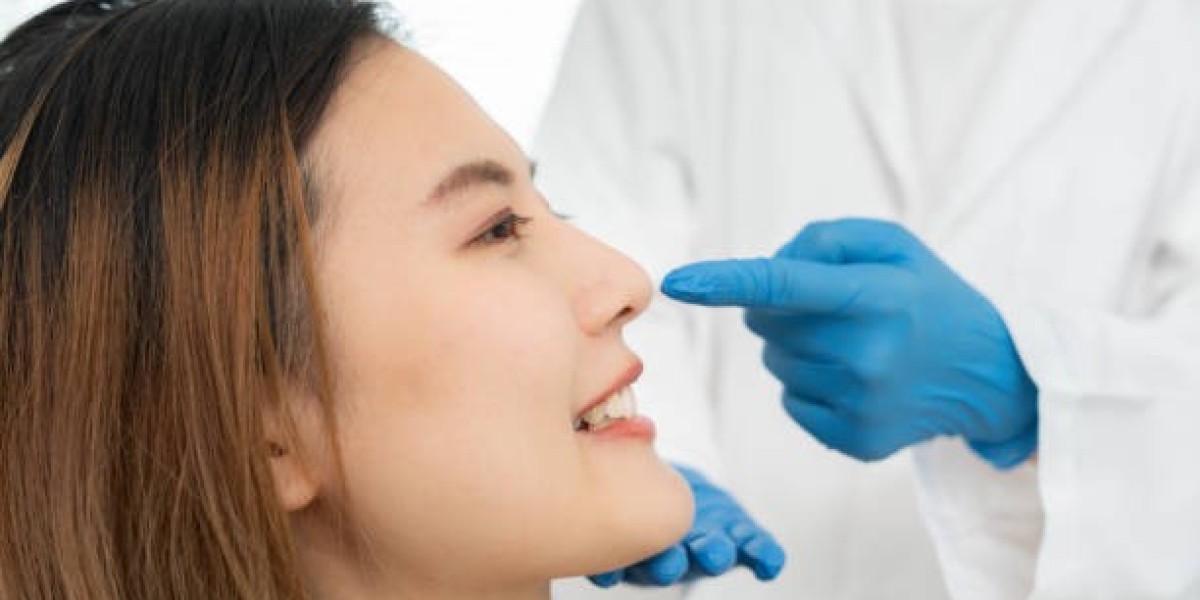
The surgeon examines the bridge, tip, nostrils, and overall alignment of the nose. Facial proportions and existing asymmetry may also be considered.
Internal Nasal Assessment
An internal examination can help identify a deviated septum or other structural concerns that may affect breathing.
Medical and Injury History
The assessment may include questions about previous injuries, nasal procedures, breathing difficulties, and relevant medical conditions.
Discussing Treatment Goals
Patients can explain whether their main concern involves appearance, breathing, or both. The healthcare professional can then discuss realistic options based on the examination.
Rhinoplasty Options for a Crooked Nose
The treatment approach depends on the cause and severity of the deviation. Not every crooked nose requires the same procedure.
Structural Rhinoplasty
Structural rhinoplasty involves surgical adjustments to the nasal framework. Depending on the assessment, the surgeon may address the alignment of bone, cartilage, or supporting structures.
The objective is to improve nasal balance while maintaining appropriate structural support.
Septorhinoplasty
When a crooked nose is associated with a deviated septum and breathing concerns, septorhinoplasty may be considered.
This procedure combines selected external nasal adjustments with correction of internal septal structures. The treatment plan depends on the patient's functional needs and anatomy.
Revision Rhinoplasty
Some patients have a crooked appearance following an earlier nasal operation. Revision rhinoplasty may be considered when an assessment identifies structural concerns that can be addressed surgically.
Revision procedures can be more complex because existing scar tissue and changes to the nasal framework may affect the available options.
Open vs. Closed Rhinoplasty for Nasal Asymmetry
The surgeon may consider different surgical approaches depending on the adjustments required.
Open Rhinoplasty
Open rhinoplasty involves a small incision across the columella, the tissue between the nostrils, along with internal incisions. This approach provides broader visibility of the nasal framework and may be useful for more complex structural changes.
Closed Rhinoplasty
Closed rhinoplasty uses incisions inside the nostrils. It may be suitable for selected cases where the planned adjustments can be performed through this approach.
Neither technique is automatically better for every patient. The choice depends on the nasal structure, surgical goals, and surgeon's clinical judgment.
Can a Crooked Nose Be Corrected Without Surgery?
Not every nasal asymmetry requires surgery. The appropriate option depends on whether the concern is structural, functional, or primarily related to appearance.
Non-Surgical Options
In selected adult cases, injectable treatments may temporarily alter the appearance of certain minor contour irregularities. However, these treatments do not straighten nasal bones, correct a deviated septum, or resolve structural breathing problems.
Injectables also carry specific risks, particularly because the nose has a complex blood supply. They should only be discussed with a suitably qualified medical professional who can explain the risks and limitations.
When Surgery May Be Considered
Surgery may be discussed when a structural issue affects nasal alignment or contributes to breathing difficulties. A medical assessment is necessary to determine whether the potential benefits justify the risks.
Functional Concerns Associated With a Crooked Nose
A crooked nasal structure may sometimes be associated with breathing difficulties, particularly when internal structures are also displaced.
Possible concerns include:
Persistent nasal blockage.
Difficulty breathing through one nostril.
Reduced airflow during physical activity.
Ongoing congestion associated with structural narrowing.
Sleep disruption related to nasal obstruction.
These symptoms can have several possible causes. An appropriate medical examination helps determine whether the nasal structure is responsible.
Factors That Influence Treatment Selection
The most appropriate treatment depends on more than the visible degree of crookedness.
Cause of deviation: Injury, natural anatomy, and septal displacement may require different approaches.
Structural stability: The surgeon evaluates whether the nasal framework has adequate support.
Breathing function: Internal obstruction may influence the treatment plan.
Previous procedures: Earlier surgery can make planning more complex.
Individual health: Medical history and general health affect surgical suitability.
People researching nose jobs prices should also consider the complexity of the proposed procedure, the surgeon's assessment, and the follow-up care involved rather than comparing treatment based on price alone.
What Should Patients Expect During Recovery?
Recovery depends on the procedure performed. Following surgery, temporary swelling, bruising, congestion, and tenderness may occur.
An external splint may be used to protect the nose during early healing. Patients are generally advised to avoid pressure, strenuous activities, and accidental facial contact until their surgeon provides clearance.
Although visible swelling often improves during the first few weeks, subtle changes may continue for several months. Follow-up appointments help the healthcare professional monitor healing and discuss any concerns.
Conclusion
A crooked nose can result from differences in bone, cartilage, septal alignment, or previous injury. Treatment options range from observation and selected non-surgical approaches to structural rhinoplasty or septorhinoplasty, depending on the underlying cause. Rhinoplasty in Riyadh should begin with a detailed assessment of nasal appearance, internal structure, breathing function, and realistic treatment expectations.
For those seeking expert guidance and customized aesthetic care, you can book an appointment consultation at the 'Enfield Royal Riyadh.
Frequently Asked Questions
1. Can rhinoplasty correct a crooked nose?
Yes. Surgical adjustments may improve nasal alignment, depending on the underlying bone and cartilage structure.
2. Can a deviated septum make the nose look crooked?
It can sometimes contribute to visible asymmetry and may also affect airflow through the nostrils.
3. Is septorhinoplasty different from rhinoplasty?
Septorhinoplasty combines selected external nasal adjustments with correction of internal septal structures.
4. Can a crooked nose be corrected without surgery?
Some minor contour concerns may be temporarily camouflaged, but non-surgical treatments cannot correct structural deviation.
5. How long does recovery from crooked nose surgery take?
Initial recovery often takes a few weeks, while swelling and final tissue settling may continue for a year or longer.