A flatter, firmer abdomen is a common aesthetic goal for people experiencing loose skin or stubborn fullness in the lower abdominal area. Pregnancy, significant weight changes, aging, and natural changes in skin elasticity can affect the appearance of the stomach, even when someone maintains a healthy lifestyle. A mini tummy tuck is a surgical procedure designed to address selected concerns in the lower abdomen, offering a more targeted approach than a full tummy tuck.
For individuals researching Tummy tuck in Riyadh, understanding the procedure, its benefits, suitability, recovery process, and expected results can help them make informed decisions. Tummy tuck in Saudi Arabia is also a relevant search term for people exploring abdominal contouring options across the country. Learning about the differences between surgical techniques and the importance of realistic expectations is an essential first step before considering treatment.
What Is a Mini Tummy Tuck?
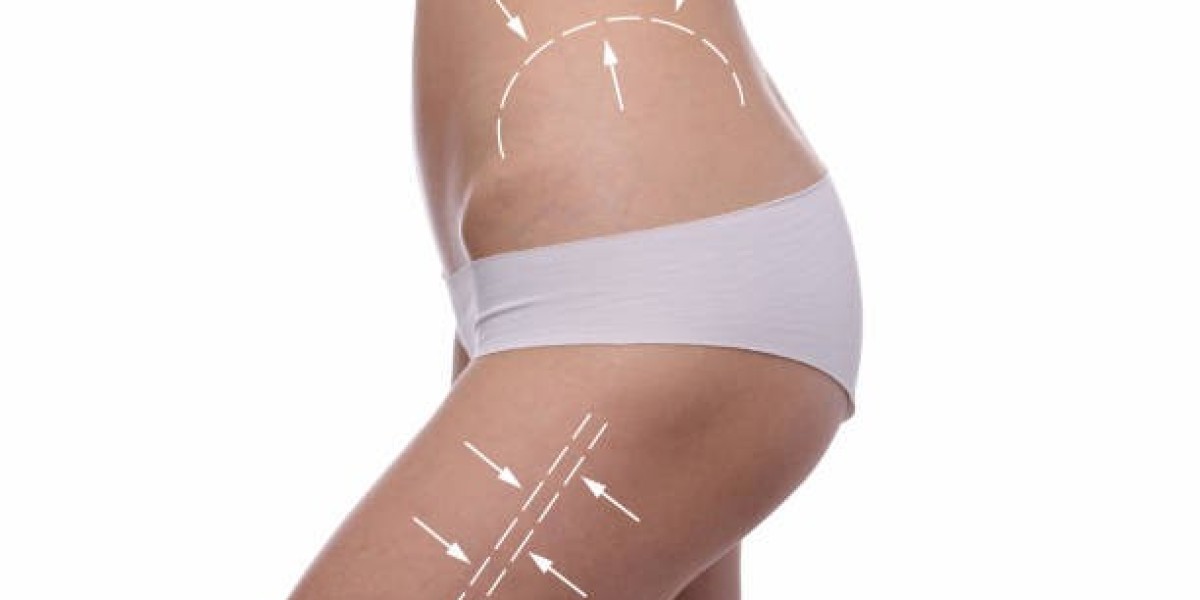
A mini tummy tuck, also known as a mini abdominoplasty, is a cosmetic surgical procedure that removes a limited amount of excess skin and may improve the appearance of the lower abdominal area. It generally focuses on the region below the belly button rather than treating the entire abdomen.
Unlike a full tummy tuck, which typically addresses a broader area of the stomach and may involve repositioning the belly button, a mini tummy tuck usually requires a smaller incision and does not generally involve repositioning the navel. The precise technique depends on the patient's anatomy, skin condition, and treatment goals.
People considering Tummy tuck in Riyadh should understand that a mini tummy tuck is not a weight-loss procedure. Instead, it is intended to improve specific contour concerns in individuals who are already relatively close to their desired body weight.
Benefits of a Mini Tummy Tuck in Riyadh
A mini tummy tuck may offer several aesthetic benefits for appropriately selected candidates. The extent of improvement depends on the amount of excess skin, abdominal muscle condition, and individual healing response.
Improved Lower Abdominal Contour
One of the main benefits is the removal of selected areas of loose skin from the lower abdomen. This can create a smoother appearance and improve the transition between the lower stomach and surrounding body contours.
People with a small amount of hanging skin below the belly button may find that a targeted procedure better matches their concerns than a more extensive abdominal operation. However, the outcome varies, and the procedure cannot guarantee a completely flat stomach.
A More Defined Abdominal Appearance
Excess skin can make the lower abdomen appear uneven or less firm. By removing suitable skin, a mini tummy tuck may improve abdominal definition and help clothing fit more comfortably.
The procedure does not directly remove all internal abdominal fat or correct every cause of abdominal fullness. Patients with significant fat deposits, substantial muscle separation, or loose skin across the upper abdomen may require a different treatment approach.
A Targeted Surgical Approach
A mini tummy tuck generally focuses on a smaller treatment area than a full abdominoplasty. For suitable patients, this may mean a shorter incision and a less extensive operation.
Nevertheless, the term "mini" does not mean risk-free or minor in every respect. It remains surgery that requires careful planning, appropriate anesthesia, and postoperative care.
Who Is a Suitable Candidate for a Mini Tummy Tuck?
Choosing the appropriate procedure depends on an individual's physical characteristics, medical history, and expectations. A qualified plastic surgeon should evaluate these factors before recommending treatment.
People With Loose Skin Below the Belly Button
Individuals who have a limited amount of excess skin in the lower abdomen may be suitable candidates. This concern can develop after pregnancy, weight fluctuations, or natural changes associated with aging.
A mini tummy tuck may be less suitable when excess skin extends above the belly button or affects a large portion of the abdomen. In these situations, a full tummy tuck may provide a more appropriate correction.
Individuals Near Their Target Weight
People who are close to a stable, healthy weight may be better candidates because significant future weight changes can affect surgical results. A mini tummy tuck is intended to refine body contours rather than produce substantial weight reduction.
Maintaining a stable weight before and after surgery can help preserve the improvement. Patients planning major weight loss should generally discuss the timing of surgery with their healthcare professional.
People With Realistic Expectations
Good candidates understand that surgery can improve particular physical concerns but cannot create perfection or stop natural aging. They should also be prepared to follow recovery instructions and attend recommended follow-up appointments.
Smoking, certain medical conditions, medications, and previous abdominal surgeries may influence surgical eligibility. These factors should be discussed honestly during the initial consultation.
Mini Tummy Tuck vs. Full Tummy Tuck
Although both procedures aim to improve abdominal contour, they address different concerns. Understanding the differences can help patients discuss the most appropriate option with a qualified surgeon.
Treatment Area and Surgical Technique
A mini tummy tuck generally focuses on excess skin in the lower abdomen and usually does not require moving the belly button. A full tummy tuck addresses a broader area, often removing more excess skin and potentially tightening separated abdominal muscles.
The appropriate choice depends on the location and extent of loose skin, the condition of the abdominal muscles, and the desired degree of correction.
Expected Results and Scarring
A mini tummy tuck usually leaves a lower abdominal scar that may be shorter than the scar associated with a full tummy tuck. However, scar length and appearance depend on the surgical technique, the amount of skin removed, and individual healing.
Neither procedure guarantees a scar-free result. Scars generally change in appearance over time, and their final appearance can take many months to mature.
People researching Tummy tuck in Riyadh should discuss incision placement, potential scarring, and realistic outcomes during their consultation rather than choosing a procedure based on its name alone.
How to Prepare for a Mini Tummy Tuck
Preparation is an important part of the surgical process. A thorough assessment helps identify individual needs, potential risks, and factors that could affect recovery.
Before surgery, patients should provide a complete medical history, including information about existing health conditions, previous operations, allergies, and medications or supplements. Their surgeon may recommend medical examinations or laboratory tests depending on their circumstances.
Patients should follow professional guidance regarding smoking, alcohol, medication adjustments, and eating or drinking before anesthesia. Prescribed medications should never be stopped without appropriate medical advice.
It is also helpful to arrange transportation home and support during the early recovery period. Preparing comfortable clothing, a suitable resting area, and any recommended postoperative supplies can make the initial days more manageable.
Recovery After a Mini Tummy Tuck
Recovery varies from person to person and depends on the surgical technique, overall health, and individual healing response. Patients should follow their surgeon's instructions rather than relying solely on general recovery timelines.
The Initial Recovery Period
Swelling, bruising, tightness, and discomfort around the abdomen are common after surgery. These symptoms usually improve gradually, although some swelling may persist for several weeks or longer.
Patients may be advised to walk gently soon after surgery to support circulation while avoiding strenuous activities. Pain management, wound care, and any recommended compression garment should follow the treating professional's instructions.
Returning to Daily Activities
The timing of a return to work, exercise, driving, and other daily activities depends on the nature of the activity and the patient's progress. Heavy lifting and vigorous exercise generally need to be avoided until the surgeon confirms that they are safe.
Patients should seek prompt medical advice if they experience increasing pain, fever, spreading redness, unusual wound discharge, sudden swelling, chest pain, or difficulty breathing. Chest pain or breathing difficulties require emergency medical attention.
Expected Results of a Mini Tummy Tuck
A mini tummy tuck may produce a smoother lower abdominal contour by removing selected areas of excess skin. The improvement becomes easier to assess as swelling subsides and the tissues heal.
Results are not immediate because the body needs time to recover. Early swelling can temporarily affect the appearance of the abdomen, and scar maturation continues over an extended period.
The procedure may improve the appearance of loose skin, but it does not prevent future changes associated with pregnancy, aging, or substantial weight fluctuations. Maintaining a stable weight and following healthy lifestyle habits can help preserve the outcome.
Patients should also understand that results depend on their starting anatomy. A mini tummy tuck may not correct upper abdominal looseness, significant muscle separation, or substantial fat deposits. A personalized assessment helps establish whether the expected benefits align with the patient's goals.
Understanding the Risks and Limitations
Like any surgical procedure, a mini tummy tuck carries potential risks. These may include infection, bleeding, fluid accumulation, blood clots, delayed wound healing, changes in skin sensation, unfavorable scarring, and complications related to anesthesia.
Some patients may be dissatisfied with the cosmetic outcome or may require further treatment. Individual risk depends on medical history, surgical factors, and postoperative care.
Choosing a properly qualified plastic surgeon, providing accurate medical information, and following recovery instructions can help reduce avoidable risks, although complications cannot be eliminated entirely.
Frequently Asked Questions
1. What Is the Main Purpose of a Mini Tummy Tuck in Riyadh?
The main purpose is to remove selected excess skin from the lower abdomen and improve its contour. It is most appropriate for individuals whose concerns are limited to this area.
2. Is a Mini Tummy Tuck Suitable After Pregnancy?
It may be suitable for people who have loose lower abdominal skin after pregnancy and have completed their planned pregnancies. A consultation is necessary to assess skin laxity, muscle separation, and individual circumstances.
3. What Is the Difference Between a Mini and Full Tummy Tuck?
A mini tummy tuck generally targets the lower abdomen, while a full tummy tuck addresses a larger abdominal area and may include belly-button repositioning and abdominal muscle repair.
4. How Long Does Recovery From a Mini Tummy Tuck Take?
Initial recovery often takes a few weeks, but complete healing and scar maturation take longer. The timeline for returning to work, exercise, and strenuous activities varies by patient and should be guided by the surgeon.
5. Does a Mini Tummy Tuck Remove Belly Fat?
The procedure primarily addresses excess skin and may improve selected aspects of abdominal contour. It is not a weight-loss treatment, and it does not necessarily remove significant fat deposits or correct every cause of abdominal fullness.
6. How Can I Explore Tummy Tuck in Saudi Arabia?
Start by consulting a qualified plastic surgeon who can assess your health, abdominal anatomy, and treatment goals. Enfield Royal Clinic Saudi can be a starting point for exploring available aesthetic services and consultation options. Confirm the qualifications of the treating surgeon, the suitability of the recommended procedure, and the risks involved before making a decision.
Conclusion
A mini tummy tuck can be an option for people who want to improve loose skin and contour in the lower abdomen without undergoing the broader correction associated with a full tummy tuck. Understanding candidacy, surgical differences, recovery expectations, and potential risks is essential for making an informed choice.
For individuals exploring Tummy tuck in Riyadh or researching Tummy tuck in Saudi Arabia, the best approach is to seek an individualized medical assessment and establish realistic expectations. Enfield Royal Clinic Saudi may be considered as a starting point for learning about aesthetic treatment options and arranging further consultation. The priority should always be qualified medical care, transparent discussion of potential outcomes, and a treatment plan based on individual needs.