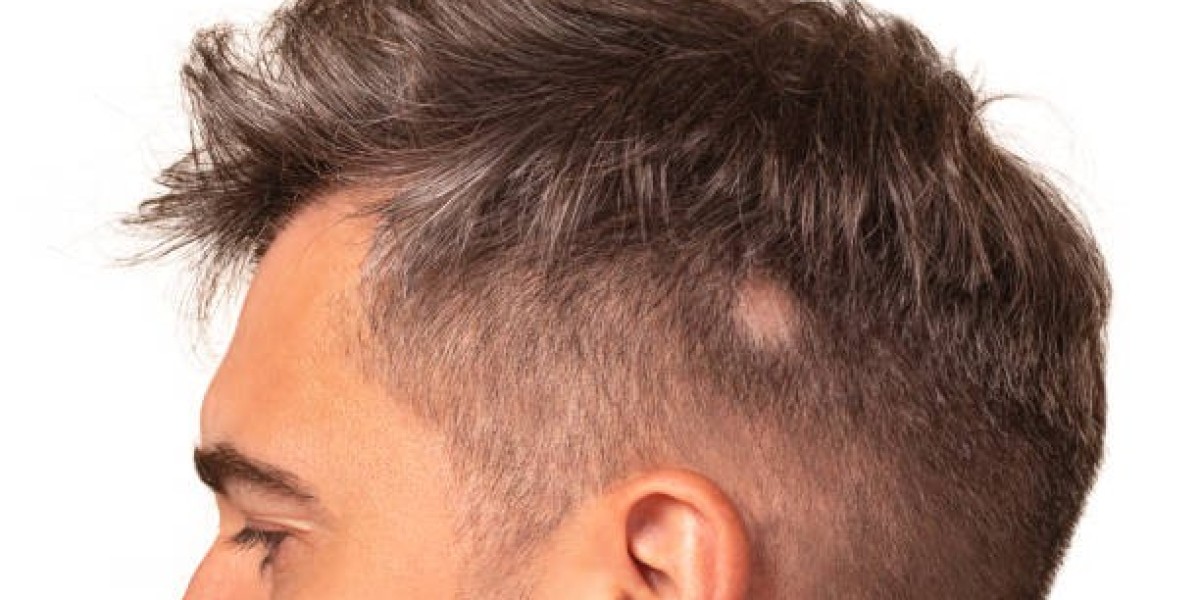

Stress can be associated with hair loss, but its relationship with alopecia areata is complex. Alopecia areata is an autoimmune condition in which the immune system mistakenly attacks hair follicles, causing round or oval patches of hair loss on the scalp and sometimes other parts of the body. Emotional stress may contribute to flare-ups in some individuals, although it is not the sole cause, and hair loss can occur without an identifiable stressful event. Understanding this connection can help patients make informed decisions about scalp care, emotional well-being, and alopecia hair treatment while recognizing that managing stress alone cannot cure the condition.
Understanding the Connection Between Stress and Alopecia Areata
Alopecia areata develops when the immune system disrupts normal hair follicle activity. Researchers continue to investigate why this immune response begins and what factors may influence its course.
Stress affects several processes in the body, including hormonal signaling and immune activity. These changes may be relevant to inflammatory and autoimmune conditions, but the exact relationship between psychological stress and alopecia areata is not fully understood.
Can Emotional Stress Trigger Hair Loss?
Some people report developing alopecia areata after experiencing significant emotional stress, such as bereavement, relationship difficulties, work pressure, or major life changes. Stress may be associated with the onset or worsening of symptoms in some cases.
However, research has not established that stress directly causes every episode of alopecia areata. The condition can develop in people who have not experienced unusual stress, and many people under substantial stress never develop it.
It is important not to blame yourself for hair loss or assume that reducing stress will necessarily prevent another episode.
How Does the Immune System Play a Role?
In alopecia areata, immune cells target hair follicles and interrupt their normal growth cycle. Stress-related biological changes may influence immune regulation, but the mechanisms and clinical significance of this relationship are still being studied.
Genetic susceptibility and other individual factors may also contribute to the condition. Stress is best understood as a possible contributing factor rather than a universal explanation.
Can Stress Cause Other Types of Hair Loss?
Yes. Stress can be associated with hair shedding through mechanisms different from those involved in alopecia areata. Identifying the type of hair loss is essential because the appropriate treatment depends on the underlying cause.
Telogen Effluvium
Telogen effluvium is a form of temporary hair shedding that may occur after significant physical or emotional stress, a major illness, surgery, childbirth, or substantial nutritional changes.
Unlike the distinct smooth patches commonly associated with alopecia areata, telogen effluvium usually causes diffuse shedding across the scalp. Hair loss may become noticeable several months after the triggering event.
The condition often improves once the underlying trigger resolves, although recovery varies and other causes may need to be addressed.
Alopecia Areata
Alopecia areata typically causes localized patches of hair loss, although more extensive patterns can occur. The affected skin often appears smooth, and some patients may notice changes in their eyebrows, eyelashes, beard, or nails.
Because different conditions can produce overlapping symptoms, a dermatologist should assess persistent or unexplained hair loss rather than relying on appearance alone.
Signs That Stress May Be Affecting Your Hair
Stress-related hair changes are not always easy to distinguish from other forms of hair loss. Paying attention to your symptoms and their timing can help your healthcare professional assess the situation.
Increased Hair Shedding
If you notice more hair than usual on your pillow, clothing, or hairbrush, consider whether you have recently experienced an illness, major life change, medication adjustment, or nutritional problem.
Increased shedding does not automatically indicate alopecia areata. A clinical assessment can help identify the likely cause.
New Bald Patches
Smooth, clearly defined bald patches may indicate alopecia areata and should be evaluated by a dermatologist. Do not assume that the patches are caused only by stress, even if they appeared during a difficult period.
Changes in Emotional Well-Being
Hair loss itself can create stress, worry, embarrassment, and reduced confidence. This can lead to a difficult cycle in which distress about hair loss adds to the emotional burden of managing the condition.
Support from healthcare professionals, friends, family, or a mental health professional can help you cope with these feelings.
Ways to Manage Stress While Living With Alopecia Areata
Stress management can support emotional well-being and general health. Although it cannot guarantee hair regrowth or prevent future flare-ups, it can be a valuable part of an overall care plan.
Prioritize Sleep
Aim for a consistent sleep schedule and a relaxing bedtime routine. Reducing late-night screen use and maintaining a comfortable sleeping environment may help improve sleep quality.
Adequate rest supports general health, although it should not be considered a standalone treatment for alopecia areata.
Stay Physically Active
Activities such as walking, swimming, cycling, or gentle stretching may help reduce tension and improve mood. Choose activities that suit your fitness level and medical circumstances.
Regular movement can be beneficial for well-being, but there is no guarantee that exercise will stop autoimmune-related hair loss.
Practice Relaxation Techniques
Deep breathing, mindfulness, meditation, and gentle yoga may help some people manage everyday stress. Even a few minutes of a relaxing activity can provide a useful break from ongoing pressures.
Choose techniques that feel comfortable rather than adding another demanding task to your routine.
Seek Emotional Support
Talking with someone you trust can make the experience of hair loss easier to manage. If anxiety, sadness, or concerns about appearance begin interfering with daily life, consider speaking with a qualified mental health professional.
Psychological support can improve coping and quality of life without suggesting that the condition is caused by emotional weakness.
Medical Treatment Options for Alopecia Areata
Stress management should complement, not replace, appropriate medical care. A dermatologist can assess your symptoms, confirm the diagnosis, and recommend treatment based on the extent of hair loss, age, medical history, and previous treatment response.
Topical Treatments and Injections
Topical corticosteroids may be recommended for certain localized cases. Corticosteroid injections can also be considered for selected patients with limited patches. Both approaches require professional guidance, and results vary.
Treatment for More Extensive Hair Loss
For more extensive alopecia areata, a specialist may discuss other prescription treatments, including certain Janus kinase (JAK) inhibitors for eligible patients. These medications can have significant risks and require appropriate screening and monitoring.
A consultation about Alopecia Areata Treatment in Riyadh can help you understand which options may be suitable for your circumstances. No treatment guarantees complete or permanent regrowth, and the condition may recur.
When Should You Consult a Dermatologist?
Arrange an assessment if you notice new bald patches, persistent shedding, eyebrow or eyelash hair loss, or changes in your scalp or nails. Seek prompt advice if hair loss progresses rapidly or is accompanied by pain, inflammation, scaling, or other unusual symptoms.
Your dermatologist may examine the scalp, use dermoscopy, review your medical history, and recommend selected tests if another condition or nutritional deficiency is suspected.
Avoid starting supplements or prescription treatments without appropriate advice, particularly when the cause of hair loss has not been confirmed.
Conclusion
Stress may contribute to hair loss or be associated with alopecia areata flare-ups in some individuals, but it is not the sole cause of the autoimmune condition. Stress can also be linked to other forms of hair shedding, making an accurate diagnosis important. Managing emotional well-being, maintaining healthy routines, and seeking appropriate medical care can help you address the condition more confidently.
For personalized advice about Alopecia Areata Treatment in Riyadh, consult a qualified dermatologist who can assess your hair loss and explain suitable treatment options. Royal Clinic Saudia can help you explore available care options and understand the next steps based on your individual needs.