
If you're scheduled for liposuction—or considering it—you may be wondering what actually happens during the procedure. Liposuction in Riyadh Understanding the steps involved—from preparation to recovery—helps demystify the experience, reduce anxiety, and prepare you for what to expect. walks through what happens during a liposuction procedure, stage by stage, so you can approach surgery day with confidence rather than uncertainty.
Before Surgery: Preparation
The procedure begins before you enter the operating room. Your surgeon marks the treatment areas while you're standing—this allows for accurate assessment of contours and planning of incision placement. Anesthesia is administered—local with sedation or general, depending on the procedure and your preferences. Once you're comfortable, you're positioned on the operating table. The surgical team prepares the area with antiseptic solution and drapes. These preparations ensure safety and precision.
Step One: Anesthesia
Anesthesia is administered first—this may be local anesthesia with sedation (you're relaxed but awake), or general anesthesia (you're fully unconscious). The choice depends on the extent of the procedure, your health, and your preferences. Your anesthesia team monitors you throughout the procedure. Once anesthesia takes effect, the procedure can begin. You won't feel pain during the procedure—though you may feel pressure or movement if you're awake.
Step Two: Tumescent Fluid Injection
The surgeon injects tumescent fluid—a solution of saline, lidocaine, and epinephrine—into the treatment area. This fluid firms and expands the tissue, making fat easier to remove; the lidocaine numbs the area; and the epinephrine constricts blood vessels to reduce bleeding. The area becomes swollen and firm—the "tumescent" state. This step is foundational to modern liposuction—it improves safety and comfort significantly.
Step Three: Incisions
The surgeon makes small incisions—typically three to five millimeters—at strategic locations. These incisions are the access points for the cannula. They're placed in discreet locations—natural creases, the belly button, the bikini line—to minimize scarring. The number of incisions depends on the treatment areas. These small openings are the only external evidence of the procedure.
Step Four: Fat Removal
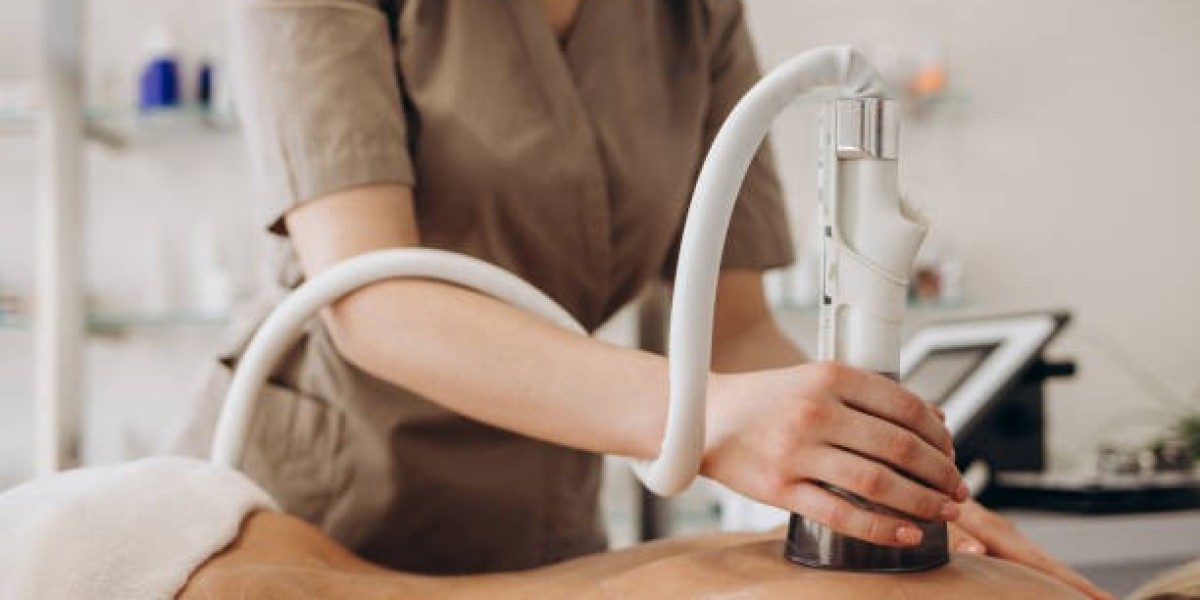
The surgeon inserts the cannula through the incisions and moves it through the fat layer, breaking up fat cells and suctioning them out. The cannula is connected to a vacuum device. The surgeon works systematically through the treatment area, removing fat while preserving the desired contours. This step requires skill and judgment—removing too much or too little affects results. The surgeon may use different cannula sizes or techniques for different areas.
Step Five: Contouring and Verification
As fat is removed, the surgeon checks contours—sometimes with the patient in different positions if awake—to ensure symmetry and natural results. This step is part art as much as science—the surgeon's eye and experience guide the final shaping. Some surgeons use additional techniques—such as fat transfer—to enhance results. The goal is a smooth, natural contour—not maximum removal.
Step Six: Closing Incisions
Once fat removal is complete, the surgeon closes the incisions—often with a single suture or leaving them to heal openly, depending on the technique. Some surgeons apply dressings or compression garments immediately. The incisions are small and typically heal quickly. The closure technique affects scarring—ask your surgeon about their approach.
Step Seven: Recovery Room
After the procedure, you're moved to a recovery area where you're monitored as anesthesia wears off. You may feel groggy, cold, or sore. Your surgical team checks your vital signs and provides aftercare instructions. You'll need someone to drive you home. Most liposuction procedures are outpatient—you go home the same day. Recovery from anesthesia varies—local with sedation allows faster discharge than general anesthesia.
How Long Does It Take?
Liposuction procedures typically take one to three hours, depending on the number of areas treated and the volume of fat removed. Smaller procedures—like neck or arm liposuction—may take less than an hour. Larger procedures—multiple areas—may take longer. Your surgeon will provide an estimate based on your specific plan.
Questions to Ask Your Surgeon
Ask: What anesthesia will be used? How long will the procedure take? What technique will you use? How many incisions will I have? What should I expect immediately after? A surgeon who answers specifically—referencing your procedure—helps you prepare confidently.
When to Seek Professional Guidance
If you're unsure about any aspect of the procedure, or if you have questions about what to expect, contact your surgeon. For personalized guidance on Liposuction in Riyadh, a consultation with qualified professionals offers clarity and direction.
Final Thoughts: Demystifying the Procedure
Liposuction follows a structured sequence—preparation, anesthesia, tumescent injection, incisions, fat removal, contouring, closure, and recovery. Understanding each step helps you approach surgery with confidence rather than anxiety. The procedure is well-established, and your surgical team is trained to guide you through it safely. Knowing what to expect makes the experience more manageable—and supports a smoother recovery.
Book an Appointment Consultation Clinic
For those seeking expert guidance and customized aesthetic care, you can book an appointment consultation at the Enfield Royal Riyadh.
FAQs
How long does liposuction surgery take?
Typically one to three hours, depending on the number of areas treated and the volume of fat removed.
What anesthesia is used for liposuction?
Local anesthesia with sedation or general anesthesia—depending on the procedure and your preferences.
Will I be awake during liposuction?
Possibly—if local anesthesia with sedation is used, you may be relaxed but awake; general anesthesia means you're unconscious.
Do I go home the same day after liposuction?
Most liposuction procedures are outpatient—you go home the same day, though you'll need someone to drive you.
What happens immediately after the procedure?
You're monitored in a recovery area as anesthesia wears off, then given aftercare instructions and discharged.