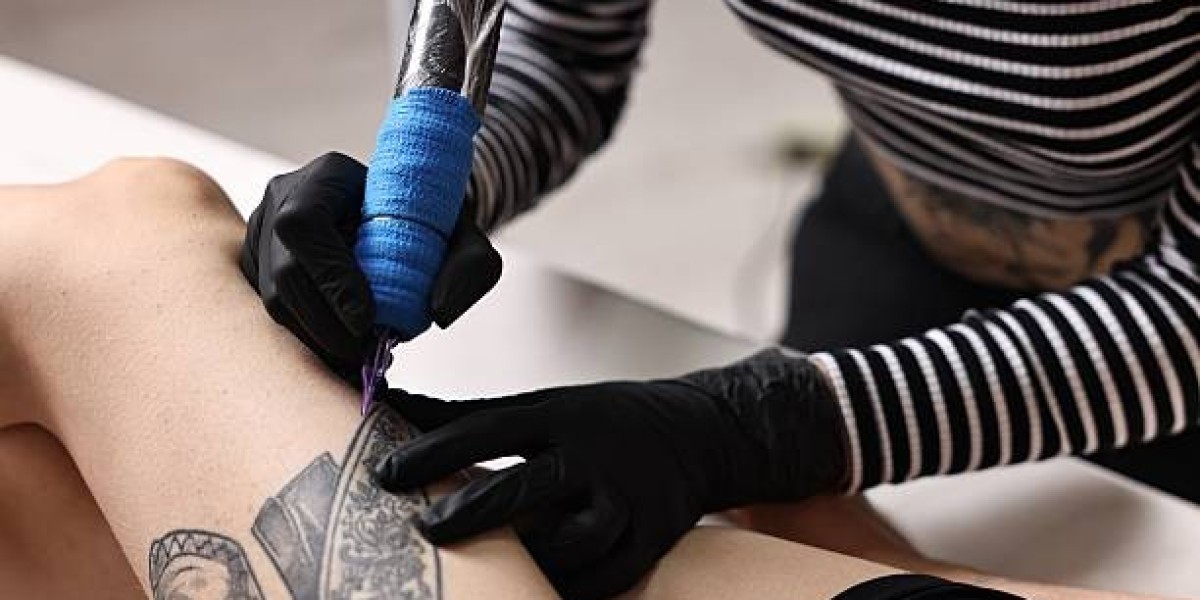

Tattoos are often chosen to express personality, preserve memories, or represent meaningful experiences. However, personal preferences can change over time, leading some individuals to consider removing designs they no longer want. Laser tattoo removal in Riyadh With advancements in aesthetic technology, laser tattoo removal has become a widely used option for gradually reducing unwanted tattoo pigment. One common question people ask before starting treatment is whether a laser can remove every trace of tattoo ink or whether some marks may remain.
Laser tattoo removal in Riyadh offers an advanced approach to targeting unwanted tattoo pigments through specialised laser technology. Although many tattoos can fade significantly, complete removal is not guaranteed in every case. The final outcome depends on several factors, including ink colour, tattoo depth, pigment density, skin characteristics, and individual healing responses. Understanding these elements can help individuals make informed decisions and develop realistic expectations.
How Does Laser Tattoo Removal Work?
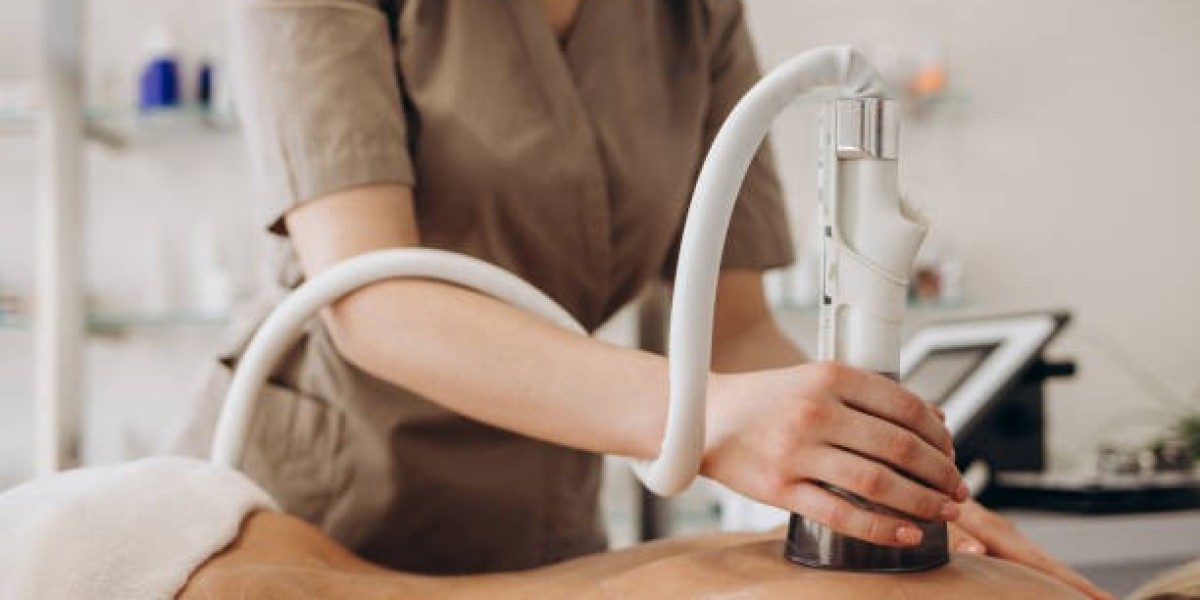
Laser tattoo removal uses concentrated light energy to target ink particles beneath the skin. The laser breaks larger pigment particles into smaller fragments, allowing the body's immune system to gradually process and eliminate them.
This process happens over time rather than immediately after treatment. Multiple sessions are generally required because different ink particles respond differently to laser energy.
Why Multiple Sessions Are Necessary
Tattoo ink is deposited at varying depths within the skin. A single session cannot usually target all the pigment effectively. Repeated treatments allow gradual fading while providing time for the skin to recover.
Can Laser Tattoo Removal Completely Remove a Tattoo?
In many cases, laser treatment can significantly fade unwanted tattoos, and some tattoos may become virtually invisible. However, complete removal depends on the characteristics of the original design and how the skin responds.
Several factors influence the possibility of achieving clear-looking skin:
Ink colour: Black and dark blue pigments generally respond well to suitable laser wavelengths.
Tattoo age: Older tattoos may sometimes be easier to fade because some pigment has already been naturally cleared.
Ink depth: Deeply deposited pigments can require additional sessions.
Ink density: Heavily saturated tattoos may be more challenging to remove.
Skin response: Individual healing and immune activity influence pigment clearance.
A professional evaluation helps determine what level of fading may realistically be achieved.
Factors That Affect Complete Tattoo Removal
Not every tattoo responds equally to laser treatment. Understanding the following factors helps explain why some designs fade more successfully than others.
1. Tattoo Ink Colour
Different colours absorb laser wavelengths differently.
Black ink generally responds well to laser treatment.
Dark blue ink often responds favourably.
Red ink may require specific wavelengths.
Green and yellow pigments can be more difficult to target.
2. Tattoo Size and Design
Smaller tattoos may require less treatment time than larger designs. However, intricate patterns, multiple colours, and heavily filled areas can make the removal process more complicated.
3. Professional Tattoo vs Amateur Tattoo
Professional tattoos often contain more concentrated and evenly distributed ink. Amateur tattoos may have irregular pigment placement and different ink depths. These differences can influence treatment requirements.
4. Skin Type and Healing Process
Skin tone, sensitivity, and natural healing patterns can affect laser settings and treatment planning. A qualified professional evaluates these characteristics to reduce potential complications.
How Many Sessions Are Needed for Complete Removal?
The number of sessions varies from person to person. Some tattoos fade considerably after a few treatments, while others require a longer treatment course.
The interval between sessions is equally important because the body needs time to clear fragmented ink particles. Allowing sufficient recovery time also helps reduce the risk of unwanted skin reactions.
What If a Tattoo Does Not Disappear Completely?
Sometimes, laser treatment leaves faint pigmentation, a slight outline, or areas of residual ink. This does not necessarily mean the treatment has failed. It may reflect the original pigment composition or how deeply the ink was deposited.
A professional can assess the remaining pigment and discuss whether additional sessions are appropriate. In certain situations, complete removal may not be achievable without increasing the risk of skin damage.
Does Laser Tattoo Removal Leave Scars?
Laser tattoo removal is designed to target pigment while limiting damage to surrounding skin. However, temporary redness, swelling, blistering, and changes in skin pigmentation can occur.
Scarring is possible, particularly when aftercare instructions are not followed or the skin experiences complications. Choosing an appropriately qualified professional and following recommended recovery guidance can help reduce these risks.
How to Improve Your Tattoo Removal Experience
Although no method guarantees complete removal, appropriate preparation and aftercare support safer treatment.
Before Treatment
Discuss your skin history and existing skin conditions.
Explain any previous tattoo removal procedures.
Avoid tanning before treatment.
Ask about the laser technology being used.
Understand the expected number of sessions.
After Treatment
Keep the treated area clean.
Follow professional aftercare instructions.
Avoid scratching or picking the treated skin.
Protect the area from direct sunlight.
Allow adequate recovery between appointments.
People searching for tattoo removal near me should prioritise professional qualifications, suitable technology, hygiene standards, and personalised treatment planning.
Is Laser Tattoo Removal the Right Choice for You?
Laser tattoo removal may be suitable for individuals who want to reduce or eliminate unwanted tattoo pigment. However, suitability depends on tattoo characteristics, skin condition, medical history, and personal expectations.
A consultation provides an opportunity to discuss potential outcomes, treatment limitations, possible side effects, and the estimated treatment schedule. For individuals considering Laser tattoo removal in Riyadh, an individual assessment can help establish a realistic approach based on their needs.
Book an Appointment Consultation
For those seeking expert guidance and customized aesthetic care, you can book an appointment consultation at Enfield Royal Riyadh. A professional assessment can help evaluate your tattoo, discuss suitable laser options, and explain the potential for significant or complete fading.
Frequently Asked Questions
1. Can laser tattoo removal completely erase all tattoo ink?
Some tattoos can become virtually invisible, but complete removal cannot be guaranteed for every tattoo.
2. How many sessions are required to remove a tattoo completely?
The number varies according to ink colour, tattoo size, pigment depth, and individual healing responses.
3. Which tattoo colours are easiest to remove?
Black and dark blue pigments generally respond well, while green and yellow inks can be more challenging.
4. Can old tattoos be completely removed?
Older tattoos may fade more easily in some cases, but complete removal depends on several individual factors.
5. Will my skin look normal after laser tattoo removal?
Skin appearance varies. Some people experience clear fading, while others may have residual pigment or pigmentation changes.