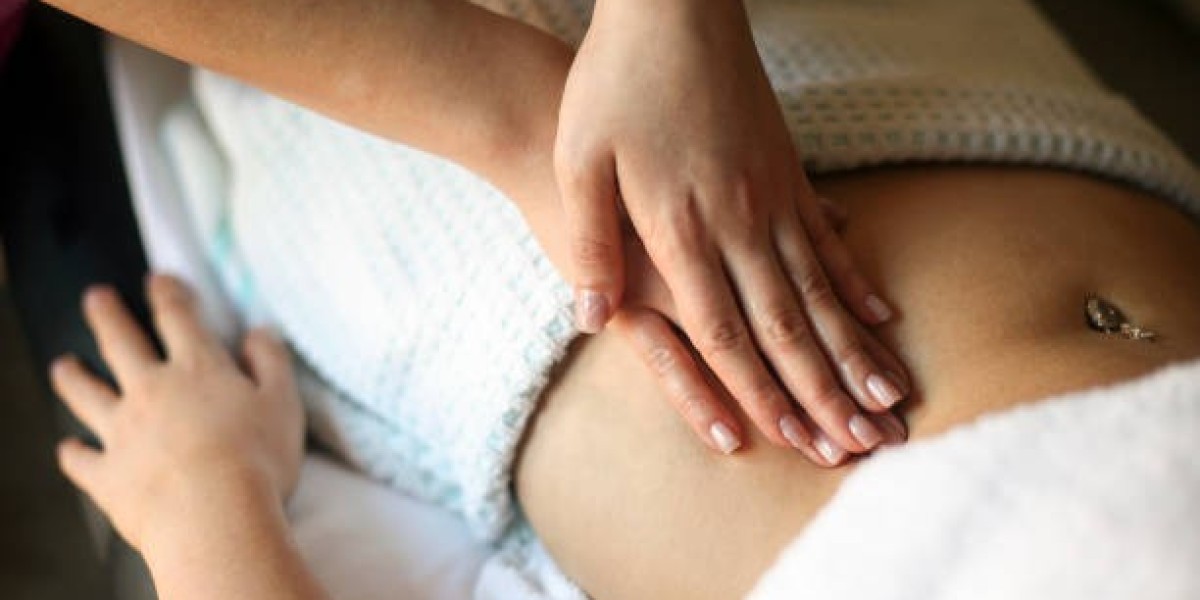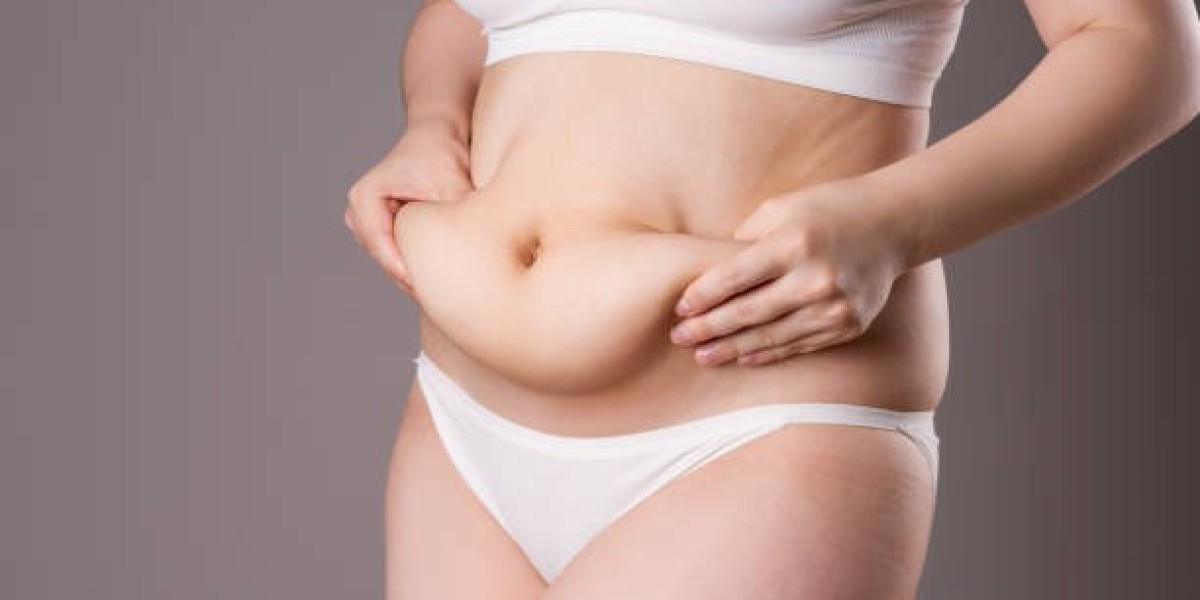

Changes in the abdominal area can occur for several reasons, including pregnancy, significant weight fluctuations, ageing, and natural changes in skin elasticity. Sometimes, even regular exercise and a balanced lifestyle may not be enough to address loose abdominal skin or separated abdominal muscles. In such situations, individuals may explore surgical body contouring options to improve the appearance and structure of their midsection. One important consideration is whether muscle repair can be included in a tummy tuck procedure.
Tummy Tuck surgery in Riyadh (عملية شد البطن في الرياض) is an option people may explore when they want to address excess abdominal skin, weakened muscles, and changes in abdominal contours. Muscle repair, also known as abdominal muscle plication, may be an important part of the procedure for suitable candidates. Understanding how this technique works, who may benefit from it, and what recovery involves can help patients make informed decisions about their treatment.
Understanding Muscle Separation and Its Impact on the Abdomen
The abdominal muscles play an important role in supporting the body's core and maintaining abdominal stability. The two vertical muscles located along the front of the abdomen are connected by a band of connective tissue called the linea alba. Pregnancy, substantial weight changes, and other factors can stretch this connective tissue, causing the muscles to move farther apart.
This condition is known as diastasis recti. It may contribute to a protruding abdominal appearance, even when an individual maintains a healthy lifestyle. Some people also experience reduced core strength, changes in posture, or discomfort associated with abdominal muscle separation.
Although not everyone with loose abdominal skin has muscle separation, both concerns can occur together. A proper medical assessment helps determine whether excess skin removal alone may be sufficient or whether muscle tightening should also be considered.
What Is Muscle Repair During Tummy Tuck Surgery?
Muscle repair is a surgical technique that involves bringing separated abdominal muscles closer together and securing the connective tissue between them with sutures. The purpose is to improve the support and contour of the abdominal wall.
During a tummy tuck, a surgeon may assess the abdominal muscles and determine whether tightening is appropriate. If muscle separation is present and the patient is a suitable candidate, the surgeon may perform abdominal muscle plication as part of the procedure.
The technique generally involves accessing the abdominal wall through the planned surgical incision. The separated muscles are brought closer together, and sutures are placed to maintain their improved position. Excess skin may then be removed, and the remaining skin is repositioned to create a smoother abdominal appearance.
It is important to understand that muscle repair does not involve removing the abdominal muscles. Instead, it focuses on improving their alignment and supporting the abdominal wall.
Can Muscle Repair Be Included in Tummy Tuck Surgery in Riyadh?
Yes, muscle repair can be included in a tummy tuck procedure when an individual has abdominal muscle separation that may benefit from surgical correction. However, it is not automatically required for every patient.
People considering Tummy Tuck surgery in Riyadh may have different abdominal concerns. Some primarily experience loose or hanging skin, while others have stretched muscles following pregnancy or significant weight changes. A combination of these concerns may also be present.
The surgeon evaluates the abdominal structure, skin condition, muscle separation, medical history, and individual treatment goals before recommending a suitable surgical approach.
For patients with noticeable diastasis recti, muscle tightening may contribute to a firmer abdominal profile. However, the decision depends on medical suitability rather than appearance alone.
Who May Benefit From Abdominal Muscle Repair?
Muscle repair may be considered for individuals experiencing abdominal muscle separation that cannot be adequately addressed through exercise alone. It is particularly relevant when the condition occurs alongside excess abdominal skin.
Women who have experienced pregnancy may notice that their abdominal muscles remain separated even after childbirth. Similarly, individuals who have experienced significant weight loss may have changes in their abdominal wall and skin that influence their body contours.
Patients considering Tummy Tuck surgery in Saudi Arabia should understand that surgery is not suitable for everyone. Individuals should generally be in stable health, maintain a relatively stable body weight, and have realistic expectations about the potential results.
Those planning future pregnancies may be advised to postpone abdominal muscle repair because another pregnancy can stretch the repaired muscles again. A consultation helps establish whether the timing and surgical approach are appropriate.
How Surgeons Determine Whether Muscle Repair Is Necessary
Determining the need for muscle repair requires more than simply examining the appearance of the abdomen. A surgeon considers the underlying abdominal structure and evaluates whether muscle separation is contributing to the patient's concerns.
During the consultation, the surgeon may examine the abdominal wall while the patient changes position or activates the core muscles. This can help identify the presence and extent of muscle separation.
The patient's medical history is also important. Previous pregnancies, abdominal surgeries, weight fluctuations, and existing medical conditions may influence the treatment plan.
In some cases, additional investigations or imaging may be recommended when the diagnosis is uncertain or another abdominal condition needs to be assessed.
A personalised approach helps ensure that muscle repair is recommended only when clinically appropriate.
Different Tummy Tuck Approaches and Muscle Tightening
Not every tummy tuck procedure involves the same surgical technique. The appropriate approach depends on the location of excess skin, the amount of tissue involved, and whether muscle separation is present.
A full tummy tuck generally addresses a larger area of the abdomen. It may involve removing excess skin from the lower abdominal region, repositioning the belly button, and tightening separated abdominal muscles when necessary.
A mini tummy tuck is generally designed for individuals with more limited excess skin below the belly button. Muscle tightening may sometimes be included, depending on the patient's anatomy and surgical requirements.
Extended tummy tuck techniques may address excess skin extending toward the sides of the waist. The surgeon determines whether muscle repair is appropriate based on the individual's abdominal structure.
Patients exploring Tummy Tuck surgery in Saudi Arabia should discuss these differences during their consultation rather than assuming that one technique is suitable for everyone.
What Are the Potential Benefits of Muscle Repair?
When appropriately performed, abdominal muscle repair may improve the structural support of the abdominal wall and contribute to a flatter-looking midsection. It can also complement the skin-removal component of a tummy tuck.
For individuals with significant muscle separation, tightening may help improve the appearance of abdominal protrusion that remains even after excess skin is addressed.
Some patients may also experience improvements in core stability and abdominal support. However, functional improvements are not guaranteed, and muscle repair should not be considered a replacement for exercise, rehabilitation, or appropriate medical treatment.
The final outcome depends on several factors, including the patient's anatomy, tissue quality, surgical technique, healing process, and lifestyle habits.
Recovery After Tummy Tuck Surgery With Muscle Repair
Recovery following a tummy tuck that includes muscle repair may involve additional discomfort and activity restrictions compared with procedures that only remove excess skin. This is because the abdominal wall requires time to heal after the muscles have been repositioned and secured.
Patients may experience swelling, tightness, bruising, and temporary discomfort during the initial recovery period. The surgeon may recommend wearing a compression garment to support the abdominal area and help manage swelling.
Walking gently, following wound-care instructions, and avoiding strenuous physical activities are generally important parts of recovery. Heavy lifting, intense exercise, and movements that place excessive pressure on the abdominal muscles should be avoided until the surgeon provides clearance.
Recovery varies between individuals. Attending follow-up appointments allows the surgical team to monitor healing and identify any concerns that require attention.
Understanding the Risks and Possible Complications
Like any surgical procedure, a tummy tuck involving muscle repair carries potential risks. These may include infection, bleeding, fluid accumulation, scarring, changes in skin sensation, delayed wound healing, and complications related to anaesthesia.
Muscle repair may also cause temporary tightness or discomfort as the abdominal wall heals. In some cases, patients may experience persistent pain, asymmetry, or changes in abdominal contour.
Choosing a qualified and experienced plastic surgeon, following preoperative instructions, and attending postoperative appointments can help support safer surgical care. Patients should discuss their medical history and any concerns before making a decision.
Frequently Asked Questions
1. Can Muscle Repair Be Included in Tummy Tuck Surgery in Riyadh?
Yes. Muscle repair may be included when abdominal muscle separation is present and the patient is medically suitable. The surgeon evaluates the abdominal wall before recommending this additional surgical step.
2. What Is Diastasis Recti in Tummy Tuck Surgery?
Diastasis recti refers to the separation of the two vertical abdominal muscles due to stretching of the connective tissue between them. It can contribute to abdominal protrusion and may be addressed through muscle repair during a tummy tuck.
3. Does Every Tummy Tuck Require Muscle Tightening?
No. Muscle tightening is not necessary for every patient. Individuals with excess skin but no significant muscle separation may only require skin removal, depending on their anatomy and treatment goals.
4. Can Muscle Repair Improve Abdominal Appearance?
Muscle repair may help create a flatter abdominal profile by bringing separated muscles closer together. The degree of improvement depends on the patient's condition, surgical approach, and healing process.
5. How Long Does Recovery Take After Tummy Tuck Surgery in Saudi Arabia?
Recovery varies depending on the surgical technique and individual healing response. Many patients need several weeks before gradually returning to normal activities, while complete healing and final contour development may take several months.
6. Can Muscle Separation Return After Tummy Tuck Surgery?
Muscle separation may recur, particularly after another pregnancy, significant weight fluctuations, or excessive strain on the abdominal wall. Maintaining a stable weight and following postoperative recommendations may help support long-term results.
Conclusion
Muscle repair can be an important component of tummy tuck surgery for individuals experiencing abdominal muscle separation alongside loose skin or changes in abdominal contours. By bringing separated muscles closer together, this technique may improve abdominal support and contribute to a firmer, flatter appearance. However, it is not necessary for every patient, and the most appropriate approach depends on individual anatomy, medical suitability, and personal goals.
People considering Tummy Tuck surgery in Riyadh or exploring Tummy Tuck surgery in Saudi Arabia should seek a detailed consultation with a qualified plastic surgeon to understand their options, potential benefits, limitations, and recovery requirements. Enfield Royal Clinic Saudi can also be explored as a source of information about tummy tuck procedures and available body contouring approaches, helping individuals understand the importance of personalised surgical planning and informed decisions.