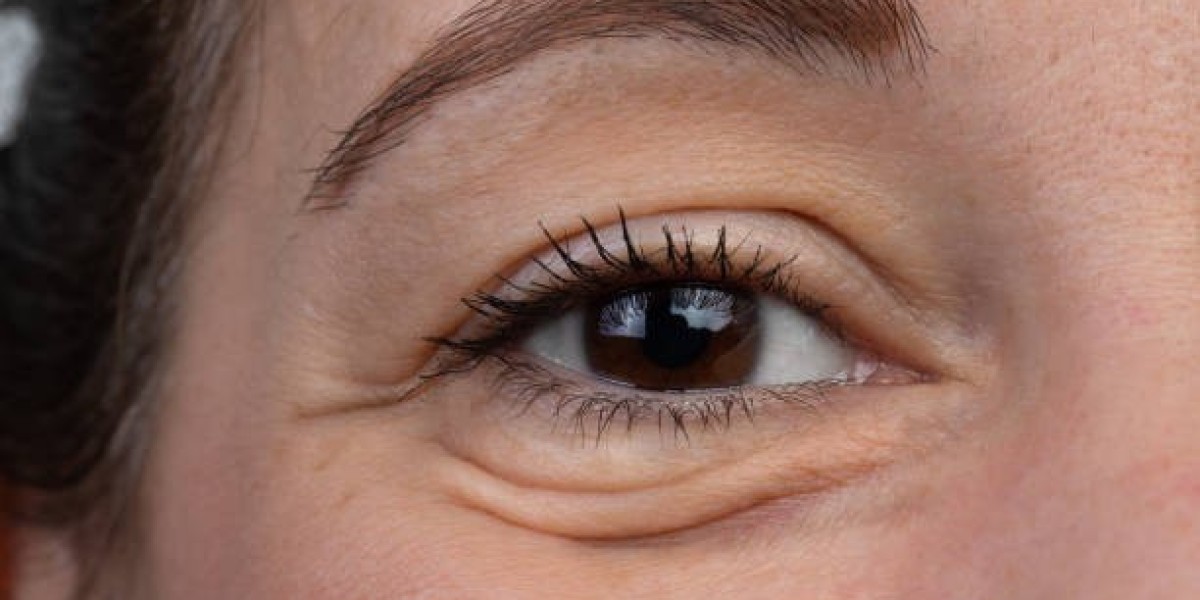

Although the procedure can deliver noticeable improvements, many people considering treatment are concerned about scarring and how their skin will heal afterward. Understanding the healing process, proper aftercare, and factors that influence scar formation can help patients feel more confident before undergoing treatment.
EYE BAG Removal in Riyadh is an option for individuals who want to address persistent under-eye puffiness and achieve a smoother appearance. However, knowing what happens after surgery is equally important as understanding the procedure itself. With appropriate aftercare and professional guidance, patients can support the healing process and reduce the visibility of potential scars.
Do Eye Bag Removal Procedures Leave Scars?
Scarring is a natural part of the body's healing process. However, the visibility of scars after eye bag removal depends on the surgical technique, individual skin characteristics, and how carefully the treated area is managed during recovery.
The skin around the eyes is delicate and relatively thin, which makes proper surgical planning and aftercare particularly important. Experienced medical professionals select an appropriate incision location and technique to help minimize visible scarring.
External Incisions and Visible Scars
In traditional lower eyelid surgery, also known as transcutaneous blepharoplasty, an incision is generally made just beneath the lower eyelashes. This location allows the surgeon to access and address excess skin and underlying tissue.
Initially, the incision may appear slightly red, swollen, or raised. As healing progresses, the scar generally becomes flatter and less noticeable. When properly positioned and healed, it may blend naturally with the surrounding skin.
Internal Incisions and Scar Visibility
Another technique is transconjunctival blepharoplasty, in which the incision is made inside the lower eyelid. This approach is often suitable for patients whose primary concern is under-eye fat without significant excess skin.
Because the incision is inside the eyelid, it does not usually create a visible external scar. However, not everyone is a suitable candidate for this technique. A professional assessment helps determine the most appropriate approach.
Eye Bag Removal Scar Healing Stages
Understanding the different healing stages can help patients recognize normal recovery changes and know when additional medical advice may be necessary.
The First Few Days After Surgery
During the initial recovery period, mild swelling, bruising, redness, and tenderness around the eyes are common. The incision area may also look more noticeable than expected.
Patients should follow their aftercare instructions, avoid rubbing their eyes, and protect the treated area from unnecessary pressure. Cold compresses may be recommended to help manage swelling.
The First Two Weeks of Healing
As the first couple of weeks pass, bruising and swelling generally begin to improve. The incision may still appear slightly pink or sensitive, but the surrounding skin gradually starts returning to a more natural appearance.
Patients should avoid strenuous activities until medically cleared and attend scheduled follow-up appointments to monitor healing.
Long-Term Scar Maturation
Scar tissue continues to change over several months. The incision line may gradually become softer, flatter, and less noticeable.
Final scar appearance varies between individuals. Factors such as skin type, genetics, surgical technique, and healing habits can influence the outcome.
How to Care for Eye Bag Removal Scars
Proper aftercare plays an important role in supporting recovery and reducing the likelihood of noticeable scarring.
Keep the Treated Area Clean
Follow the clinic's instructions for cleaning the eyelid area. Use only recommended products and avoid applying unapproved skincare treatments near the incision. Keeping the area clean helps reduce irritation and supports normal wound healing.
Avoid Rubbing or Touching Your Eyes
The skin around the eyes is particularly delicate during recovery. Rubbing, scratching, or pulling the eyelids can irritate healing tissue and potentially affect the incision.
Allow the treated area to heal naturally and follow your healthcare provider's recommendations.
Protect Your Skin From Sun Exposure
Sun exposure can contribute to discoloration in healing scars. Once your healthcare provider confirms that the incision has healed sufficiently, ask about suitable sun protection.
Wearing sunglasses and avoiding prolonged direct sunlight can also help protect the delicate under-eye area.
Follow Professional Skincare Recommendations
Avoid introducing strong skincare ingredients, exfoliants, retinoids, or scar treatments without medical approval. Some products may irritate recently treated skin.
Your healthcare provider can recommend appropriate products and explain when it is safe to resume your regular skincare routine.
Factors That Can Affect Eye Bag Removal Scars
Not everyone develops scars in the same way. Several factors can influence how the incision heals and how noticeable the final scar becomes.
Skin type and genetics may affect scar formation, pigmentation, and healing speed. The surgical technique and incision placement also influence the final appearance. Additionally, smoking, poor wound care, excessive sun exposure, and certain medical conditions may interfere with normal healing.
Following professional instructions and attending follow-up appointments can help identify potential concerns early and support a smoother recovery.
When Should You Be Concerned About Scarring?
Some redness, swelling, and mild tenderness are expected during the initial healing period. However, certain symptoms should not be ignored.
Increasing redness, worsening pain, unusual discharge, fever, or significant swelling should be evaluated by a healthcare professional. Vision changes, severe eye pain, or sudden visual disturbances require urgent medical attention.
Patients should avoid attempting to treat unusual scar changes independently. Professional evaluation helps determine whether additional treatment or medical attention is necessary.
FAQs About Eye Bag Removal Scars
1. Do eye bag removal scars disappear completely?
Scars generally become less noticeable as the skin heals and matures. However, complete disappearance cannot be guaranteed. The final appearance depends on individual healing characteristics and the surgical technique.
2. How long does it take for eye bag removal scars to heal?
Initial healing generally takes a few weeks, while scar maturation can continue for several months. Recovery timelines vary depending on the procedure and individual skin response.
3. Can eye bag removal leave permanent marks?
Yes, surgical incisions can leave permanent scars. However, when appropriately placed and healed, external scars are often subtle and difficult to notice.
4. Can skincare products help improve eye bag removal scars?
Certain skincare or scar-management products may help after the incision has healed. However, patients should consult their healthcare provider before applying any product near the eyes.
5. Does everyone develop visible scars after eye bag removal?
No. Scar visibility varies between individuals. Some patients may have barely noticeable external scars, while internal incision techniques generally avoid visible external incision marks.
Book Your Consultation at Enfield Royal Clinic
Understanding the healing process is an important step toward making an informed decision about eye bag removal. At Enfield Royal Clinic, patients can receive professional guidance about suitable treatment approaches, expected recovery, and appropriate aftercare. Book a consultation to discuss your under-eye concerns and explore treatment options that support your aesthetic goals.