
Liposuction is a popular cosmetic surgical procedure designed to remove stubborn fat deposits from specific areas of the body and improve overall body contours. Despite maintaining a balanced diet and following regular exercise routines, some individuals find it difficult to reduce fat in certain areas. These persistent fat deposits can affect body proportions and make achieving a desired silhouette challenging. Modern liposuction in Riyadh offers different approaches to targeted fat removal, allowing treatment plans to be developed according to individual body structures and aesthetic goals.
Understanding which areas can be treated with liposuction helps individuals make informed decisions about body contouring. From the abdomen and waist to the thighs, arms, back, and chin, the procedure can address several regions where localized fat tends to accumulate. Exploring these treatment areas also provides insight into how liposuction in Saudi Arabia is approached within modern aesthetic surgery.
Understanding How Liposuction Works
Liposuction is a surgical procedure that removes localized fat deposits using specialized instruments called cannulas. These instruments are inserted through small incisions to loosen and remove unwanted fat from selected areas. The objective is to refine body contours rather than achieve significant weight loss.
The procedure may be considered by individuals who are relatively close to their desired body weight but experience persistent fat deposits that do not respond easily to lifestyle changes. A surgeon evaluates the patient's anatomy, skin elasticity, general health, and expectations before determining whether liposuction is appropriate.
Modern approaches to liposuction in Riyadh emphasize individualized treatment planning. The technique and treatment areas depend on the amount and distribution of fat, the condition of the skin, and the patient's overall body proportions.
Abdominal Liposuction for a More Defined Midsection
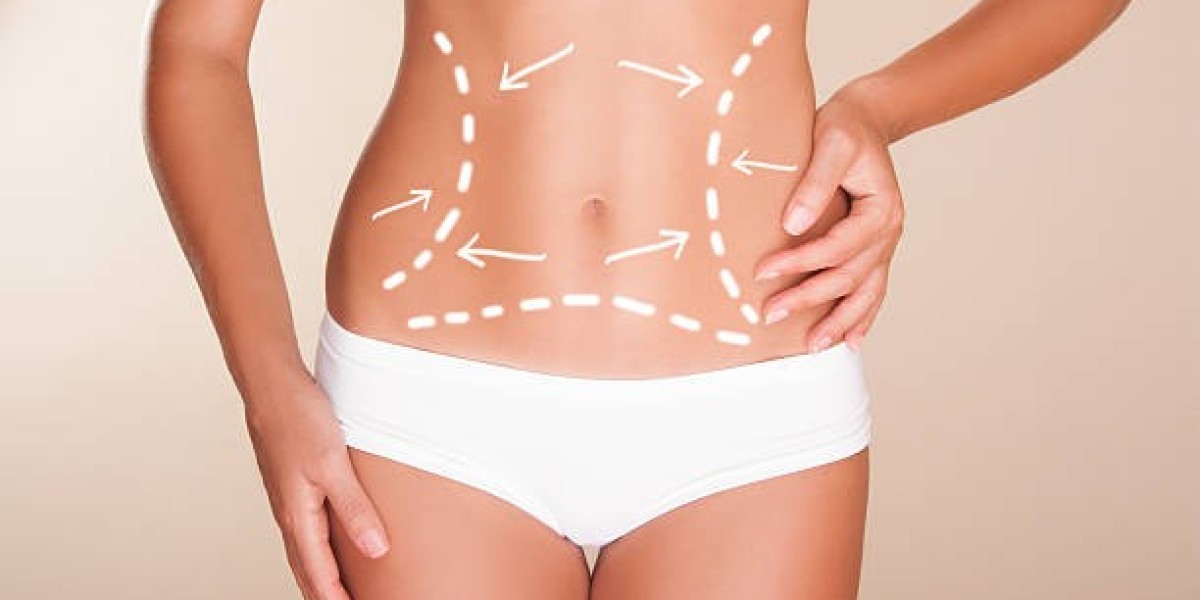
The abdomen is one of the most frequently requested areas for liposuction. Fat can accumulate around the upper abdomen, lower abdomen, and central stomach region, sometimes creating a fuller appearance even in individuals who maintain healthy lifestyle habits.
Abdominal liposuction focuses on removing selected fat deposits to create a smoother and more balanced midsection. The surgeon assesses the distribution of fat and determines which areas may benefit from treatment.
However, it is important to understand that liposuction does not remove significant amounts of excess skin or repair separated abdominal muscles. Individuals experiencing loose skin or abdominal muscle separation may require a different or additional surgical approach.
When considering liposuction in Saudi Arabia, understanding the difference between abdominal fat removal and other abdominal procedures can help patients develop realistic expectations.
Waist and Flank Liposuction for Improved Body Proportions
The waist and flanks, commonly called love handles, are other areas where localized fat may affect the body's overall silhouette. Fat deposits around the sides of the waist can create a less defined transition between the upper body and hips.
Waist and flank liposuction aims to reduce these deposits and create smoother body contours. Treatment may involve addressing the sides of the waist and surrounding areas to achieve a more harmonious appearance.
The relationship between the abdomen, waist, and back is particularly important when planning body contouring. Treating these areas together may be considered when appropriate, but the decision depends on individual anatomy, surgical safety, and the patient's goals.
Modern liposuction in Riyadh focuses on evaluating the entire body shape instead of treating isolated fat deposits without considering surrounding proportions.
Thigh Liposuction for Smoother Leg Contours
The thighs can develop localized fat deposits along their inner, outer, and front regions. These deposits may influence leg proportions and create concerns about clothing fit or overall body shape.
Inner thigh liposuction targets fat between the thighs, while outer thigh treatment focuses on the areas commonly associated with saddlebags. The surgeon evaluates fat distribution and skin elasticity to determine which areas may benefit from surgical treatment.
Thigh liposuction requires careful planning because the skin in this region may not always retract sufficiently after fat removal. Individuals with considerable skin laxity may need an alternative treatment approach.
With liposuction in Saudi Arabia, treatment planning considers the relationship between the thighs, hips, and surrounding areas to support balanced contouring.
Arm Liposuction for More Refined Upper Arms
Excess fat around the upper arms can create a fuller appearance, particularly between the shoulder and elbow. Some individuals experience persistent fat deposits in this region despite regular physical activity.
Arm liposuction removes selected fat deposits to improve the contour of the upper arms. The procedure is generally considered when excess fat, rather than significant loose skin, is the primary concern.
Skin elasticity is an important consideration because removing fat does not automatically tighten the remaining skin. Individuals with substantial skin laxity may require a procedure such as an arm lift instead of liposuction alone.
A personalized assessment helps determine whether arm liposuction is suitable and which technique may support the desired contour.
Back Liposuction for Addressing Localized Fat Deposits
The back is another area where stubborn fat can accumulate. Common treatment regions include the upper back, lower back, and areas around the bra line.
These fat deposits may create visible folds or uneven contours, particularly when wearing fitted clothing. Back liposuction focuses on reducing localized fat to create a smoother transition between the back, waist, and surrounding body regions.
The surgeon must consider the thickness of the fat layer, skin quality, and natural body structure before recommending treatment. Careful planning is essential because the back contains different anatomical regions that may respond differently to fat removal.
Individuals exploring liposuction in Riyadh can discuss whether back contouring is appropriate as an individual treatment or as part of a broader body contouring plan.
Chin and Neck Liposuction for Facial Contouring
Liposuction is not limited to the abdomen and other larger body regions. It can also be used to address localized fat beneath the chin and around selected areas of the neck.
Submental liposuction, commonly known as chin liposuction, targets excess fat beneath the chin that may contribute to a fuller lower-face appearance. The procedure may help create a more defined transition between the chin and neck.
Suitability depends on factors such as skin elasticity, facial anatomy, fat distribution, and the presence of other causes of fullness. In some cases, loose skin or structural features may require a different treatment approach.
Modern liposuction in Saudi Arabia includes facial contouring considerations for suitable individuals who want to address localized fat deposits while maintaining natural-looking facial proportions.
Chest Liposuction for Suitable Candidates
The chest is another region where liposuction may be considered. In men, excess fatty tissue around the chest can sometimes contribute to a fuller appearance.
When excess fat is the primary concern, liposuction may help create a flatter and more defined chest contour. However, chest enlargement can also involve glandular breast tissue, which cannot necessarily be corrected through fat removal alone.
A proper clinical examination helps distinguish between fatty tissue and glandular enlargement. Depending on the underlying cause, the surgeon may recommend liposuction, glandular tissue removal, or a combination of approaches.
Understanding the source of chest fullness is essential before selecting an appropriate treatment plan.
Factors That Influence the Choice of Treatment Area
Not everyone is a suitable candidate for liposuction, and the selection of treatment areas requires an individualized assessment. Several factors influence the procedure's suitability and potential results.
Body weight stability is important because liposuction is intended for localized fat reduction rather than general weight management. Individuals who experience significant weight fluctuations may not maintain consistent results.
Skin elasticity also plays an important role. Skin with good elasticity is generally more likely to adapt to changes in underlying fat volume, while loose skin may remain noticeable after treatment.
Overall health, medical history, fat distribution, and personal expectations must also be considered. During a consultation for liposuction in Riyadh, patients should discuss their desired outcomes, possible risks, recovery requirements, and alternative procedures.
Recovery and Expected Results After Liposuction
Recovery following liposuction varies according to the treatment area, surgical technique, and amount of fat removed. Swelling, bruising, tenderness, and temporary discomfort are common during the initial recovery period.
Patients may be advised to wear compression garments to help manage swelling and support the treated areas during healing. Following postoperative instructions and attending scheduled follow-up appointments are important parts of recovery.
Initial contour changes may become noticeable as swelling decreases, but final results can take several months to develop. Maintaining a relatively stable weight through balanced nutrition and regular physical activity can help preserve the results.
It is also important to recognize that liposuction carries potential complications, including infection, bleeding, contour irregularities, fluid accumulation, and changes in skin sensation. Discussing these risks with a qualified surgeon helps individuals make informed decisions.
Choosing the Right Approach to Liposuction in Saudi Arabia
Selecting the appropriate liposuction treatment involves more than identifying an area where fat accumulates. A comprehensive assessment helps determine whether the concern is caused by localized fat, loose skin, muscle separation, or another anatomical factor.
Different treatment areas may require different surgical techniques, and combining procedures is not appropriate for every individual. Safety, realistic expectations, and the surgeon's assessment should remain central to the decision-making process.
Those considering liposuction in Riyadh should seek consultation with a suitably qualified and licensed plastic surgeon who can explain the available techniques, expected outcomes, limitations, and recovery process.
Conclusion
Liposuction can address localized fat deposits in several areas, including the abdomen, waist, thighs, arms, back, chin, neck, and chest. Each treatment area has specific anatomical considerations, making personalized assessment an important part of surgical planning. Understanding these differences helps individuals explore suitable body contouring options and develop realistic expectations.
The growing interest in liposuction in Saudi Arabia reflects the demand for individualized aesthetic treatments that consider natural body proportions and personal goals. Anyone considering the procedure should prioritize professional medical guidance, surgical safety, and an appropriate recovery plan. Enfield Royal Clinic Saudi is a name individuals may explore when researching aesthetic treatment options and learning more about available liposuction approaches in Saudi Arabia.
Frequently Asked Questions
1. Which Areas of the Body Can Be Treated With Liposuction?
Liposuction can be performed on several areas, including the abdomen, waist, flanks, thighs, upper arms, back, chin, neck, and chest. The appropriate treatment area depends on individual anatomy, fat distribution, skin elasticity, and overall suitability.
2. Is Liposuction in Riyadh Suitable for Abdominal Fat Removal?
Yes, abdominal liposuction may be suitable for individuals with persistent localized fat deposits around the stomach. However, it is not a weight-loss procedure and does not correct significant loose skin or separated abdominal muscles.
3. Can Liposuction Treat Multiple Body Areas?
Liposuction may address multiple areas during one surgical session in selected patients. However, the decision depends on overall health, the total amount of fat being removed, operative time, and patient safety.
4. Does Liposuction in Saudi Arabia Provide Permanent Results?
The fat cells removed during liposuction do not grow back. However, remaining fat cells can enlarge if a person gains weight. Maintaining a stable weight and healthy lifestyle can help preserve the results.
5. How Long Does It Take to Recover From Liposuction?
Recovery varies depending on the treatment area, surgical technique, and extent of the procedure. Many individuals gradually resume normal activities over the following weeks, while swelling may take several months to resolve completely.
6. How Can Someone Determine Which Liposuction Treatment Area Is Suitable?
A consultation with a qualified plastic surgeon is the best way to determine suitability. The assessment considers localized fat deposits, skin elasticity, medical history, body proportions, and individual aesthetic expectations.