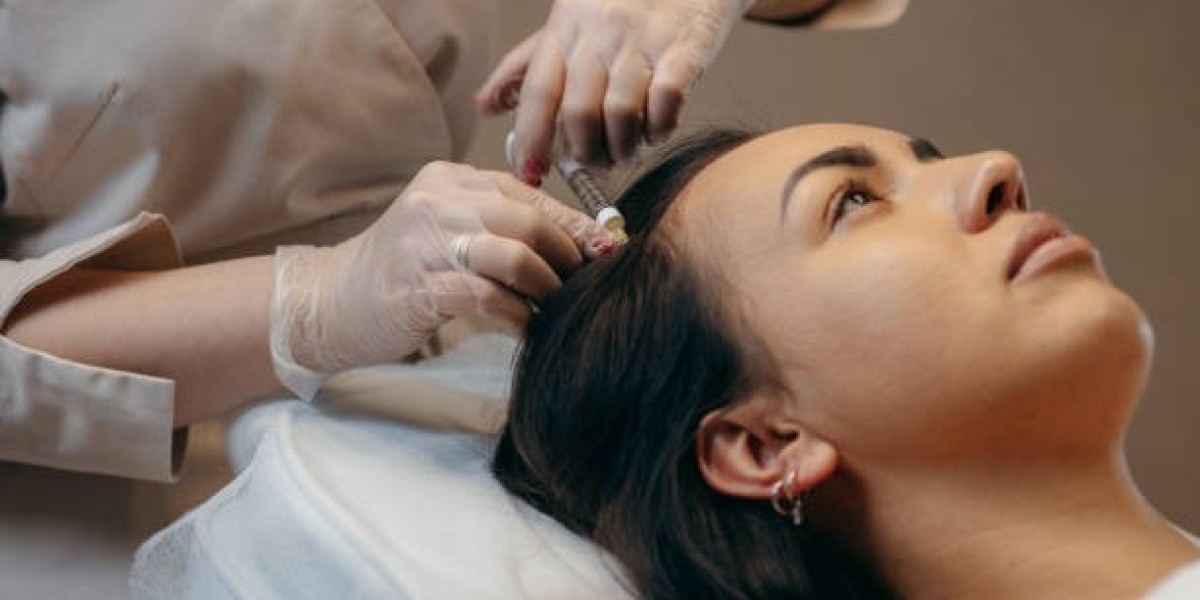

Taking proper care of your scalp after a platelet-rich plasma (PRP) hair treatment is an important part of the recovery process. Although PRP is a minimally invasive procedure, PRPHairTreatment in Riyadh it involves small injections into selected scalp areas, which may cause temporary tenderness, redness, swelling, or sensitivity. Following appropriate aftercare instructions can help maintain scalp hygiene and support a comfortable recovery.
PRP Hair Treatment in Riyadh is an option people may explore when researching approaches to certain types of hair thinning. The procedure uses concentrated platelets from the patient's own blood, which contain growth factors involved in natural tissue-repair processes. Understanding what to expect after treatment and how to care for the scalp can help patients prepare for the recovery period.
What Happens to Your Scalp After PRP Hair Treatment?
After PRP injections, the scalp may experience temporary reactions around the treated areas. These effects are generally related to the injection process and individual skin sensitivity.
Common temporary effects include:
Mild tenderness or sensitivity around injection sites.
Slight redness or swelling.
Temporary scalp tightness.
Minor bruising in some treated areas.
Mild discomfort when touching or washing the scalp.
These reactions vary between individuals. The treating professional should explain which symptoms are expected and how long they may last.
Essential Scalp Care Tips After PRP Treatment
Follow Your Practitioner's Washing Instructions
Scalp washing recommendations can differ according to the treatment protocol. Ask your practitioner when it is appropriate to wash your hair after the session.
When washing is permitted, use a gentle shampoo and lukewarm water unless advised otherwise. Avoid vigorous rubbing, scratching, or applying unnecessary pressure to sensitive areas.
Avoid Scratching or Rubbing the Scalp
The treated scalp may feel sensitive for a short period. Scratching or repeatedly touching injection sites can increase irritation.
Allow the scalp to settle naturally and follow any specific instructions about handling the treated areas. If itching becomes persistent or uncomfortable, contact your healthcare professional.
Choose Hair Products Carefully
Strongly fragranced shampoos, harsh chemical treatments, and irritating styling products may aggravate a sensitive scalp.
Ask your practitioner when you can resume your usual hair-care products. Avoid introducing unfamiliar treatments immediately after the procedure without professional guidance.
Protect Your Scalp From Excessive Sun Exposure
Direct sunlight may irritate sensitive skin. Follow your practitioner's advice about sun protection and when it is appropriate to wear a hat or other head covering.
Avoid applying sunscreen directly to recently treated injection sites unless your practitioner confirms that it is suitable.
Activities to Avoid During the Initial Recovery Period
Strenuous Exercise
Your practitioner may recommend temporarily limiting intense physical activity after treatment. Heavy exercise can increase sweating and discomfort around sensitive scalp areas.
Ask when you can safely resume your normal workout routine rather than following a fixed timeline.
Swimming and Excessive Heat
Swimming pools, hot tubs, saunas, and steam rooms may need to be avoided for a period after treatment, depending on your practitioner's instructions.
These environments can expose recently treated skin to potential irritation or contamination. Confirm when it is appropriate to return to these activities.
Hair Colouring and Chemical Treatments
Hair colouring, bleaching, straightening, and other chemical treatments may irritate the scalp. Discuss the appropriate waiting period with your practitioner before scheduling these services.
Nutrition and Everyday Habits During Recovery
Maintain a Balanced Diet
A balanced diet provides nutrients involved in normal hair and tissue health. Include a variety of foods containing protein, vitamins, minerals, and healthy fats.
Nutritional supplements should not be started simply because PRP treatment has been performed. If a deficiency is suspected, discuss appropriate testing and advice with a healthcare professional.
Stay Hydrated
Drinking sufficient fluids supports normal bodily functions. Maintain your usual hydration habits unless a healthcare professional has advised you otherwise.
Follow a Consistent Hair-Care Routine
Once your practitioner confirms that normal hair care can resume, choose products suited to your scalp and avoid unnecessary irritation.
A gentle routine is generally preferable to frequently changing shampoos or applying multiple new products at once.
Understanding the PRP Hair Treatment Recovery Timeline
Recovery experiences differ between individuals, but the following general stages can help explain what patients may notice.
Recovery stage | Possible experience | Care consideration |
|---|---|---|
Immediately after treatment | Mild redness or tenderness | Follow immediate aftercare instructions |
Initial days | Temporary sensitivity or swelling | Avoid rubbing and unnecessary irritation |
Following days | Gradual reduction in discomfort | Resume activities according to professional advice |
Subsequent weeks | Scalp generally returns to its usual condition | Attend recommended follow-up appointments |
It is important to distinguish scalp recovery from hair-growth results. Temporary injection-related symptoms may settle relatively quickly, while any changes in hair density can take considerably longer to evaluate.
When Should You Contact Your Healthcare Professional?
Most temporary reactions are mild, but certain symptoms require medical attention. Contact your treating professional if you experience:
Increasing redness or swelling.
Persistent or worsening pain.
Fever or feeling generally unwell.
Unusual discharge from an injection site.
Symptoms that do not improve as expected.
Seek prompt medical assessment if you develop signs of a possible infection or another significant complication. Do not attempt to treat unusual symptoms with unapproved scalp products.
Understanding prp hair treatment cost in saudi arabia
People researching prp hair treatment cost in saudi arabia should consider the complete treatment plan, including the initial assessment, preparation method, recommended sessions, and follow-up care.
It is also useful to ask whether aftercare guidance and progress assessments are included. Understanding these details helps patients evaluate the treatment process rather than focusing on individual sessions alone.
Conclusion
Scalp care after PRP hair treatment involves following professional instructions, avoiding unnecessary irritation, maintaining hygiene, and allowing the treated areas to recover naturally. Temporary tenderness, redness, and sensitivity may occur, but recovery varies between individuals. Patients should also remember that scalp healing and potential hair-growth changes happen on different timelines. Consistent follow-up and realistic expectations are important throughout the process.
For those seeking expert guidance and customized aesthetic care, you can book an appointment consultation at Enfield Royal Riyadh to discuss PRP treatment suitability, understand the recovery process, and receive professional advice.
Frequently Asked Questions
1. Can I wash my hair after PRP treatment?
Follow your practitioner's instructions about when to wash your hair and which products to use.
2. How long does scalp tenderness last after PRP?
Tenderness is usually temporary, but its duration varies between individuals.
3. Can I exercise after PRP hair treatment?
Ask your practitioner when to resume exercise, as temporary activity restrictions may be recommended.
4. Can I colour my hair after PRP?
Wait until your practitioner confirms that chemical hair treatments are appropriate.
5. What symptoms should I report after PRP?
Report worsening pain, increasing swelling, fever, unusual discharge, or persistent irritation.