
Botox is widely discussed as a cosmetic treatment for temporarily reducing the appearance of certain facial lines. However, its popularity does not mean it is suitable for everyone or completely free from risks. Botox Injections in Riyadh Understanding the available medical evidence, possible side effects, and professional safety recommendations is essential when evaluating this treatment.
The safety of Botox Injections in Riyadh depends on several factors, including the patient's health, the product used, the treatment purpose, and the qualifications of the healthcare professional. Medical evidence generally supports the safety and effectiveness of approved botulinum toxin products when they are used appropriately by qualified professionals. Nevertheless, complications can occur, making individual assessment important.
What Does Medical Evidence Say About Botox Safety?
Findings From Clinical Research
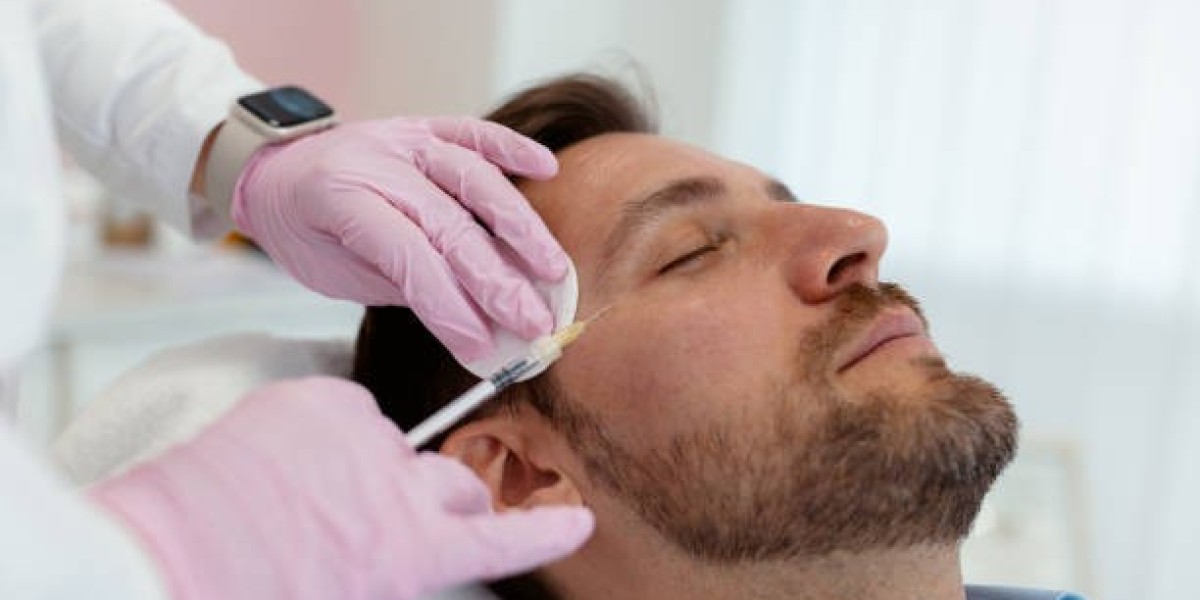
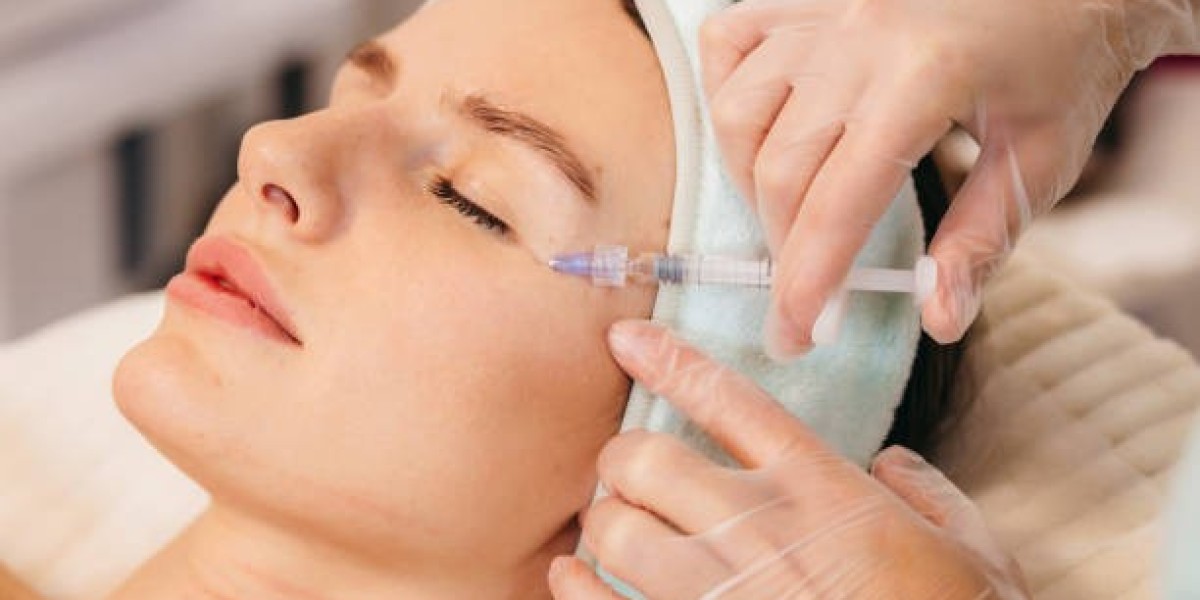
Botulinum toxin type A has been studied in clinical trials for cosmetic and medical purposes. Research involving thousands of participants suggests that cosmetic treatments can have a generally favorable safety profile when performed appropriately. Most reported treatment-related reactions are temporary and relatively mild.
A meta-analysis involving 9,669 patients evaluated the safety of botulinum toxin type A for facial rejuvenation. Its findings contributed to evidence that the treatment has a measurable risk of adverse reactions, even when used for cosmetic purposes. This means safety should be evaluated realistically rather than described as guaranteed.
What Medical Experts Recommend
The American Academy of Dermatology emphasizes that botulinum toxin injections require detailed knowledge of facial anatomy and appropriate medical training. Experts recommend consulting a qualified dermatologist or appropriately trained healthcare professional who can assess individual suitability and explain possible complications.
The Centers for Disease Control and Prevention also advises patients to confirm that products come from authorized sources and that the person administering them has a valid healthcare license.
What Factors Affect Botox Safety?
Professional Qualifications and Clinical Setting
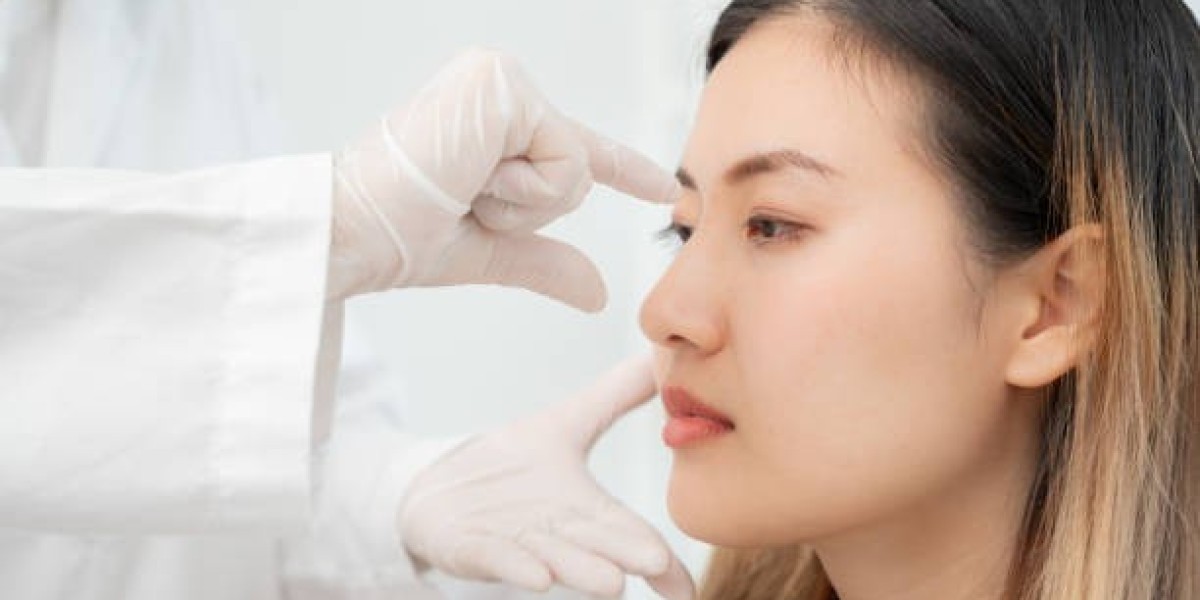
The person performing a treatment plays an important role in patient safety. A qualified professional should understand facial anatomy, review medical history, use an appropriate approved product, and explain the expected outcome.
Botulinum toxin injections should not be treated as ordinary beauty services. The American Academy of Dermatology warns against receiving injections in non-medical environments, including salons, parties, and private homes.
Product Quality and Approval
Product authenticity is another important consideration. Counterfeit, unapproved, or improperly stored products may contain unexpected ingredients or incorrect amounts of active substance. These problems can increase the risk of serious complications.
People researching botox treatment in riyadh should understand that product quality, proper storage, and professional oversight are essential parts of responsible medical care.
Common Side Effects and Possible Complications
Temporary Reactions
Some people experience mild reactions following treatment. These may include redness, swelling, tenderness, bruising, or a headache. Temporary eyelid or eyebrow drooping can also occur, depending on the treatment area and individual response.
Such effects should be discussed during the consultation. A healthcare professional can explain which reactions may occur and when a patient should seek medical advice.
Rare but Serious Risks
Although uncommon, botulinum toxin effects can sometimes spread beyond the intended treatment area. Serious symptoms may include generalized muscle weakness, double vision, difficulty speaking, swallowing, or breathing.
The official prescribing information carries a warning about the distant spread of toxin effects. Breathing or swallowing difficulties require immediate medical attention.
Who May Need Additional Medical Assessment?
Existing Health Conditions
People with certain neuromuscular conditions, breathing difficulties, or swallowing problems may have an increased risk of complications. Allergies to product ingredients and previous reactions should also be discussed before any treatment decision.
A healthcare professional should review the patient's complete medical history rather than relying on a general suitability checklist.
Pregnancy, Breastfeeding, and Age Considerations
Botulinum toxin treatment is generally avoided during pregnancy and breastfeeding because available safety information is limited. Cosmetic Botox is also generally intended for adults, not minors. Younger patients require appropriate specialist medical evaluation for any medical indication, rather than cosmetic treatment based on appearance concerns.
How to Make an Informed Safety Decision
Ask Questions During the Consultation
A responsible consultation should explain the treatment's purpose, expected benefits, possible side effects, and available alternatives. Patients should ask which product is being considered, who will perform the procedure, and what follow-up arrangements are available.
It is equally important to disclose prescription medicines, supplements, allergies, previous cosmetic procedures, and relevant medical conditions. Never stop prescribed medication without advice from the healthcare professional responsible for your care.
Understand That Results and Risks Vary
Botox temporarily affects targeted muscle activity, and its effects commonly last around three to four months, although individual results vary. Treatment outcomes are not guaranteed, and repeat treatment should only be considered after professional assessment.
Conclusion
Medical evidence suggests that approved botulinum toxin treatments can have a favorable safety profile when administered appropriately by qualified healthcare professionals. However, temporary side effects and rare serious complications remain possible. Botox Injections in Riyadh should therefore be considered only after a thorough medical assessment, careful discussion of risks, and verification of the product and provider.
For adults seeking professional information and an individualized medical assessment, a consultation at Enfield Royal Riyadh can provide an opportunity to discuss suitability, safety considerations, and treatment alternatives.
Frequently Asked Questions
1. Are Botox injections considered medically safe?
They generally have a favorable safety profile when approved products are administered appropriately by qualified healthcare professionals.
2. What are the most common Botox side effects?
Common reactions include temporary redness, swelling, bruising, tenderness, headache, and occasionally eyelid or eyebrow drooping.
3. Can Botox cause serious complications?
Rarely, toxin effects may spread and cause muscle weakness or difficulty swallowing, speaking, or breathing. Seek urgent medical care for these symptoms.
4. Does Botox have long-term safety risks?
Long-term safety depends on the product, treatment history, and individual health. Discuss repeated treatment and uncertainties with a qualified professional.
5. Is Botox suitable for everyone?
No. Certain health conditions, pregnancy, breastfeeding, allergies, and age considerations may make treatment unsuitable or require specialist assessment.