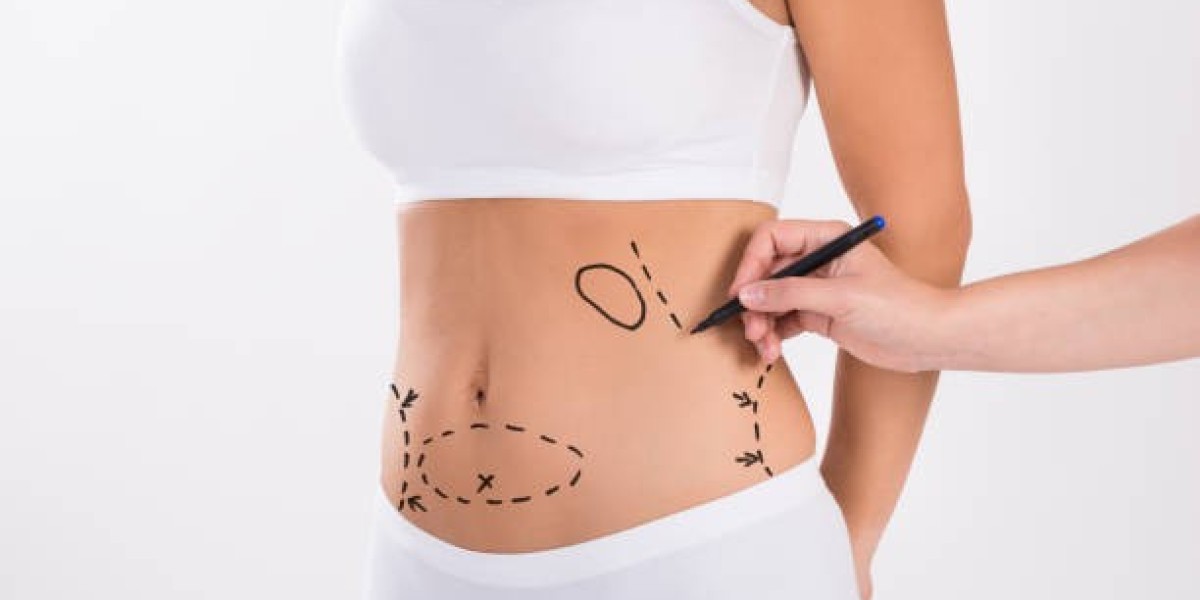

Understanding Targeted Liposuction and Its Purpose
Achieving a balanced body shape is a personal goal for many individuals. Even with regular exercise and a balanced diet, certain areas may retain stubborn fat deposits that are difficult to reduce. These areas can affect overall body proportions and make it challenging to achieve the desired silhouette. Targeted liposuction is a surgical body-contouring procedure designed to remove localized fat deposits and improve the appearance of specific body areas.
Liposuction in Riyadh (عملية شفط الدهون في الرياض) has become an increasingly discussed option among individuals exploring modern body-contouring treatments. The procedure focuses on reshaping selected areas rather than serving as a general weight-loss solution. It can help refine body contours by addressing areas where excess fat creates uneven proportions.
Understanding how the procedure works, which areas can be treated, and what results may be expected can help individuals make informed decisions about their body-contouring options.
How Does Targeted Liposuction Work?
Targeted liposuction involves removing unwanted fat from selected areas beneath the skin using specialized surgical instruments. The procedure generally involves making small incisions through which a thin tube, known as a cannula, is inserted. The surgeon carefully moves the cannula to loosen and remove excess fat while considering the surrounding tissues and natural body structure.
Modern liposuction techniques may use different approaches depending on the patient's anatomy, treatment goals, and the surgeon's assessment. Traditional suction-assisted liposuction remains widely used, while other techniques may incorporate ultrasound, laser, or power-assisted technology.
The main objective is to create smoother body contours while maintaining natural-looking proportions. Treatment planning is particularly important because removing too much fat or creating uneven transitions can affect the final appearance.
Which Areas of the Body Can Targeted Liposuction Refine?
One of the reasons liposuction attracts attention is its ability to address several body areas. Treatment suitability depends on fat distribution, skin elasticity, general health, and individual expectations.
Abdomen and Waist
The abdomen is among the most commonly treated areas. Localized fat around the stomach can sometimes remain despite consistent lifestyle habits. Liposuction may help reduce these deposits and create a more defined abdominal appearance.
The waist can also be treated to improve the transition between the abdomen and hips. Carefully planned fat removal may create a more noticeable waistline while preserving the body's natural proportions.
Thighs and Hips
Excess fat around the inner and outer thighs can influence how the legs appear and how clothing fits. Targeted liposuction may help refine these areas by reducing localized deposits.
The hips can also be treated when excess fat creates uneven contours. The surgeon considers the relationship between the hips, thighs, and waist to maintain a balanced appearance.
Arms
Fat accumulation around the upper arms may create a fuller appearance, particularly when it is concentrated beneath the skin. Liposuction may help improve arm contours in suitable individuals.
However, skin elasticity plays an important role. If the skin has significant looseness, removing fat alone may not produce the desired result. A surgical assessment helps determine whether liposuction or another approach is more appropriate.
Back and Flanks
The back and flanks can develop localized fat deposits that affect the body's overall outline. These areas may be treated to create smoother transitions between the upper body, waist, and hips.
Addressing surrounding areas together may sometimes provide a more harmonious result. The treatment plan should always reflect individual anatomy rather than follow a standard body shape.
Chin and Neck
Liposuction may also be considered for selected individuals with excess fat beneath the chin or around the upper neck. Reducing these deposits can help create a more defined jawline and improve the appearance of the neck.
Because this area involves delicate structures and facial proportions, careful evaluation and appropriate surgical expertise are particularly important.
Who May Be a Suitable Candidate for Targeted Liposuction?
Not everyone with unwanted fat deposits is automatically suitable for liposuction. The procedure is generally intended for individuals who are relatively close to their preferred body weight but have specific areas of fat that remain resistant to lifestyle changes.
Skin quality, overall health, medical history, and realistic expectations all contribute to determining suitability. Individuals with good skin elasticity may experience smoother contour adaptation after fat removal.
It is also important to understand that liposuction does not treat obesity or replace healthy lifestyle habits. It is not designed to remove cellulite or reliably tighten significantly loose skin.
During an initial consultation, a qualified plastic surgeon can examine the relevant areas, discuss treatment objectives, and explain whether the procedure is appropriate.
Understanding Modern Liposuction Techniques
Advancements in cosmetic surgery have introduced different techniques for removing localized fat. Selecting an appropriate approach depends on the treatment area, the amount of fat involved, and the surgeon's experience.
Traditional Suction-Assisted Liposuction
Traditional liposuction uses a cannula connected to a suction device to remove unwanted fat. It allows surgeons to address different body areas with controlled movements and carefully planned fat removal.
Ultrasound-Assisted Liposuction
Ultrasound-assisted liposuction uses sound-wave energy to help break down fat cells before their removal. It may be considered for particular treatment areas depending on the patient's needs and surgical assessment.
Laser-Assisted Liposuction
Laser-assisted techniques use laser energy to affect fat tissue before extraction. Some approaches may also produce changes in surrounding tissues, although the degree of skin tightening varies and should not be guaranteed.
Power-Assisted Liposuction
Power-assisted liposuction uses a vibrating cannula to facilitate fat removal. This approach may help surgeons work through certain areas with greater mechanical assistance.
The most appropriate technique is determined through an individual assessment rather than simply choosing the newest available technology.
What Are the Benefits of Targeted Liposuction?
Targeted liposuction can offer several body-contouring benefits for appropriately selected individuals. Its primary advantage is the ability to address localized fat deposits that may not respond significantly to diet and exercise.
The procedure can help improve body proportions by reducing fullness in selected areas. It may also create smoother transitions between nearby body regions, contributing to a more balanced silhouette.
Another important consideration is that liposuction permanently removes some fat cells from treated areas. However, remaining fat cells can still enlarge with weight gain, which means maintaining a relatively stable weight is important for preserving results.
Expectations should remain realistic. The final appearance depends on factors such as skin elasticity, anatomy, healing, surgical technique, and individual lifestyle habits.
What Should You Expect During Recovery?
Recovery following liposuction varies according to the treatment area, the amount of fat removed, the technique used, and individual healing responses.
Swelling, bruising, tenderness, and temporary changes in skin sensation are common during the initial recovery period. Some patients may be advised to wear compression garments to support the treated areas and help manage swelling.
Light daily activities may gradually resume according to the surgeon's instructions. More demanding exercise and strenuous physical activities should be postponed until medical clearance is provided.
It is important to remember that the initial appearance does not represent the final outcome. Swelling gradually decreases, and the body needs time to adjust to its new contours. Final results may take several months to become fully visible.
Following post-operative instructions and attending scheduled follow-up appointments can support appropriate healing and help identify potential complications.
Potential Risks and Important Safety Considerations
Although liposuction is a commonly performed cosmetic procedure, it remains surgery and carries potential risks. These may include infection, bleeding, fluid accumulation, changes in sensation, contour irregularities, asymmetry, and complications associated with anesthesia.
Rare but serious complications can also occur, including blood clots and damage to deeper structures. The level of risk depends on individual health, surgical complexity, and the treatment approach.
Choosing a properly qualified and experienced plastic surgeon is an important part of the decision-making process. Patients should discuss their medical history, medications, possible complications, and expected recovery before proceeding.
Individuals researching Liposuction in Saudi Arabia should also consider the surgical facility, safety standards, professional credentials, and availability of appropriate follow-up care.
How to Prepare for a Liposuction Consultation
A consultation provides an opportunity to discuss body-contouring concerns and understand the available treatment options. Patients should explain which areas they would like to refine and what kind of improvement they hope to achieve.
The surgeon may assess skin elasticity, fat distribution, body proportions, and general health. Medical history and previous procedures may also influence treatment planning.
Patients should ask about the recommended technique, anesthesia, recovery expectations, possible complications, and the likelihood of achieving their desired outcome. Understanding these details can help establish realistic expectations before making a decision.
Conclusion
Targeted liposuction can be an effective option for refining selected body areas and improving overall body proportions in suitable individuals. By addressing localized fat deposits in areas such as the abdomen, waist, thighs, arms, back, and chin, the procedure may help create smoother and more balanced contours.
Exploring Liposuction in Riyadh and Liposuction in Saudi Arabia involves understanding the available surgical techniques, evaluating personal suitability, and prioritizing safety throughout the treatment journey. A personalized consultation with a qualified plastic surgeon is essential for understanding potential benefits, limitations, and recovery requirements. Individuals interested in learning more about body-contouring options can explore the information and consultation services offered by Enfield Royal Clinic Saudi when considering their next steps.
Frequently Asked Questions
1. Can targeted liposuction remove fat from specific body areas?
Yes. Targeted liposuction is designed to remove localized fat deposits from areas such as the abdomen, thighs, hips, arms, back, and chin. The appropriate treatment areas depend on individual anatomy and surgical suitability.
2. Is liposuction in Riyadh suitable for people who are not overweight?
Yes. Individuals who are close to their preferred body weight but have stubborn fat deposits may be suitable candidates. However, a professional medical assessment is necessary to determine whether the procedure is appropriate.
3. Does liposuction permanently remove fat?
Liposuction permanently removes some fat cells from treated areas. However, remaining fat cells can enlarge if a person gains weight. Maintaining a stable weight and healthy lifestyle can help preserve the results.
4. How long does recovery take after liposuction in Saudi Arabia?
Recovery depends on the treatment area, surgical technique, and individual healing process. Many patients gradually return to routine activities within days or weeks, while swelling and final contour changes may take several months to settle.
5. Can liposuction improve loose skin?
Liposuction primarily removes excess fat rather than treating significant skin laxity. Individuals with poor skin elasticity may require alternative or additional procedures to achieve their desired contour.
6. How can someone choose the right liposuction treatment in Riyadh?
Choosing an appropriate treatment involves consulting a qualified plastic surgeon, reviewing medical suitability, understanding available techniques, and discussing potential risks and expected outcomes. Individualized planning is essential for safe and realistic body-contouring results.