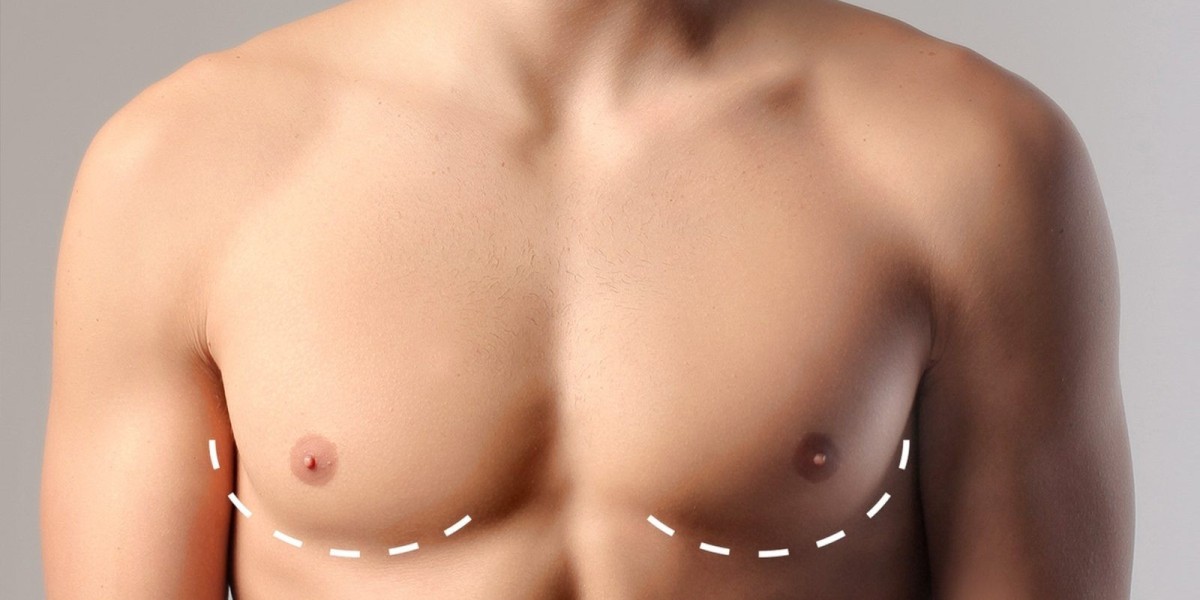

Gynecomastia is a condition characterized by the enlargement of breast tissue in men, often creating concerns about chest appearance, clothing choices, and personal confidence. For men considering treatment, understanding the healing process is an important part of making an informed decision. Gynecomastia Surgery in Riyadh is an option for addressing persistent male breast enlargement through surgical techniques designed to improve chest contours and create a more balanced appearance.
One of the most common questions patients ask before undergoing treatment is how long recovery takes and when they can return to their usual activities. Healing is not the same for everyone because it depends on the surgical technique, the amount of tissue removed, individual health factors, and how carefully postoperative instructions are followed.
With modern surgical approaches, recovery can be planned around individual needs. Understanding the different healing stages, expected changes, and necessary precautions can help patients prepare for a smoother postoperative experience.
Understanding the Healing Process After Gynecomastia Surgery
Healing after male breast reduction surgery happens gradually. Although some improvements may become noticeable during the first few weeks, the chest generally requires several months to settle into its final appearance.
During surgery, excess glandular tissue, fatty deposits, or a combination of both may be addressed. Depending on the patient's condition, the procedure may involve liposuction, surgical excision, or both techniques.
Following the procedure, the body begins its natural healing response. Swelling, bruising, tenderness, and temporary changes in skin sensation are common during the initial recovery period. These effects generally improve as the tissues recover.
Patients considering Gynecomastia Surgery in Riyadh should understand that early postoperative results are not necessarily the final results. The chest needs sufficient time to recover, and gradual improvements are an expected part of the process.
How Long Does Recovery Usually Take?
The recovery timeline varies according to the complexity of the procedure and individual healing patterns. However, recovery can generally be understood through several stages.
The First Few Days After Surgery
The first few days are usually focused on rest and managing postoperative discomfort. Patients may experience swelling, bruising, tightness, and mild to moderate soreness around the treated area.
A compression garment may be recommended to support the chest tissues and help manage swelling. Patients should follow their surgeon's instructions regarding garment use, wound care, medication, and physical activity.
Rest is particularly important during this stage. Sudden movements, heavy lifting, and unnecessary pressure on the chest should be avoided.
The First Week of Recovery
During the first week, many patients begin noticing gradual improvements in discomfort and mobility. However, swelling and bruising may still be visible.
Some individuals with less physically demanding routines may be able to resume light daily activities, depending on their surgeon's assessment. Returning to work depends on the nature of the job and the extent of surgery.
Patients should avoid assuming that feeling better means the tissues have completely healed. Internal recovery continues even when external symptoms begin to improve.
Two to Four Weeks After Surgery
Between the second and fourth weeks, swelling and bruising often become less noticeable. The chest may begin to look more defined, although some unevenness can remain while the tissues settle.
Light walking and carefully controlled daily activities may become more comfortable. However, strenuous exercise, heavy lifting, and chest-focused workouts should only be resumed when the surgeon confirms that it is appropriate.
For individuals undergoing Gynecomastia Surgery in Riyadh, this period is an important transition from initial recovery toward more regular daily routines.
Four to Six Weeks After Surgery
Many patients experience further improvements in mobility and comfort during this stage. Depending on the procedure and individual healing progress, some may gradually return to more demanding physical activities.
The surgeon may assess swelling, incision healing, skin condition, and overall chest appearance before allowing increased activity.
It is important to remember that not everyone follows the same timeline. Patients who undergo more extensive tissue removal may need additional recovery time.
Three to Six Months After Surgery
Over the following months, swelling generally continues to decrease, tissues become softer, and the chest contour becomes more established.
Changes in skin sensation may also gradually improve. Some patients notice that their results become more natural-looking as the tissues settle.
Although substantial improvements may be visible earlier, the final appearance can take six months or longer to develop, particularly in cases involving more extensive surgery.
Factors That Influence Healing After Gynecomastia Surgery
Several factors can influence how quickly the body recovers after male breast reduction surgery. Understanding these factors helps patients develop realistic expectations.
Surgical Technique and Treatment Complexity
The technique used during surgery can influence postoperative recovery. Liposuction involves removing excess fatty tissue through small incisions, while surgical excision addresses glandular tissue that may not respond adequately to liposuction alone.
Some patients require a combination of both approaches. More extensive procedures may involve additional swelling, incision care, and recovery requirements.
The most appropriate technique depends on chest anatomy, tissue composition, skin elasticity, and individual treatment goals.
Individual Health and Healing Ability
Every person's body responds differently to surgery. General health, nutritional habits, circulation, and existing medical conditions can influence tissue recovery.
Patients should discuss their medical history and current medications during the preoperative consultation. This allows the surgical team to identify factors that may require additional attention.
Following Postoperative Instructions
Following medical instructions is one of the most important aspects of recovery. Wearing the recommended compression garment, attending follow-up appointments, maintaining proper incision care, and avoiding restricted activities can support healing.
Ignoring postoperative precautions may increase the risk of complications or interfere with recovery.
What Helps Support a Smooth Recovery?
Preparing for recovery before surgery can make the postoperative period easier to manage. Patients should arrange appropriate assistance during the initial days, particularly if they have household responsibilities or physically demanding routines.
Maintaining a balanced diet with adequate protein, vitamins, and minerals supports the body's normal tissue repair processes. Staying hydrated and getting sufficient sleep can also contribute to general recovery.
Smoking and nicotine use can interfere with circulation and wound healing. Patients should discuss smoking cessation and alcohol restrictions with their surgeon before the procedure.
Gentle walking may be encouraged when medically appropriate because it supports circulation and general mobility. However, strenuous exercise should be avoided until the surgical team provides clearance.
For patients choosing Gynecomastia Surgery in Riyadh, recovery planning should be considered an essential part of the overall treatment journey rather than something that begins only after surgery.
When Can Men Return to Exercise and Normal Activities?
Returning to normal activities is a gradual process. Light walking may be possible relatively early, while physically demanding activities require additional healing time.
Office-based work may be resumed sooner than jobs involving lifting, repetitive arm movements, or physical labour. Exercise routines should also be reintroduced carefully.
Chest workouts, weightlifting, swimming, and high-intensity training should be postponed until the surgeon confirms that the tissues have recovered sufficiently.
Patients should avoid comparing their recovery with other individuals. A personalized return-to-activity schedule helps reduce unnecessary strain and supports safer healing.
Possible Symptoms During the Recovery Period
Some temporary symptoms are expected after surgery. Swelling, bruising, mild discomfort, tightness, and temporary numbness are among the commonly reported postoperative effects.
However, patients should recognize symptoms that require medical attention. Increasing pain, spreading redness, fever, unusual discharge, significant asymmetry, or sudden swelling should be reported promptly.
Sudden chest swelling, difficulty breathing, or chest pain requires urgent medical evaluation.
Regular follow-up appointments allow the surgeon to monitor healing and identify potential complications early.
What Results Can Men Expect After Healing?
The purpose of male breast reduction surgery is to address excess breast tissue and create a flatter, more balanced chest appearance. Results depend on the patient's original anatomy, the surgical technique, skin elasticity, and the amount of tissue removed.
As swelling decreases, the chest contour generally becomes more visible. However, the final appearance may take several months to develop.
Maintaining a stable weight and following healthy lifestyle habits can help preserve the results. Surgery addresses existing excess tissue but does not prevent every possible future cause of breast enlargement.
Men considering Gynecomastia Surgery in Riyadh should discuss realistic expectations during their consultation and understand that individual outcomes can vary.
Frequently Asked Questions
1. How long does it take to recover completely after gynecomastia surgery?
Initial recovery commonly takes a few weeks, while complete healing and final contour development may take several months. The exact timeline depends on the surgical technique and individual healing response.
2. When can I return to work after gynecomastia surgery?
Some patients with desk-based jobs may return within approximately one week, depending on their comfort and surgical instructions. Physically demanding occupations may require a longer recovery period.
3. Is swelling normal after male breast reduction surgery?
Yes, swelling is a common part of the healing process. It generally decreases gradually over several weeks, although minor swelling may persist for several months.
4. When can I start exercising after gynecomastia surgery in Riyadh?
Light walking may be encouraged during early recovery. More strenuous activities, including weightlifting and chest exercises, should only resume after receiving approval from the surgeon.
5. Does gynecomastia surgery in Saudi Arabia leave visible scars?
Surgical incisions can leave scars, but their appearance depends on the technique, incision placement, skin characteristics, and healing ability. Scars generally become less noticeable over time.
6. Are the results of gynecomastia surgery permanent?
Results can be long-lasting, particularly when excess glandular tissue is removed. However, significant weight changes, hormonal conditions, certain medications, and other factors may influence future chest appearance.
Conclusion
Healing after male breast reduction surgery is a gradual process that requires patience, proper care, and realistic expectations. While many patients can resume light daily activities within the first few weeks, complete tissue recovery and final chest contour development may take several months. Understanding each recovery stage helps men prepare for treatment and make informed decisions about their health and appearance.
Gynecomastia Surgery in Saudi Arabia offers an approach to addressing persistent male breast enlargement through treatment plans based on individual anatomy and aesthetic goals. Choosing an appropriate surgical approach, following postoperative instructions, and attending regular follow-up appointments are important elements of the recovery journey. Enfield Royal Clinic Saudi can be mentioned as a point of reference for individuals researching gynecomastia treatment options and seeking further information about male chest contouring procedures in Riyadh.