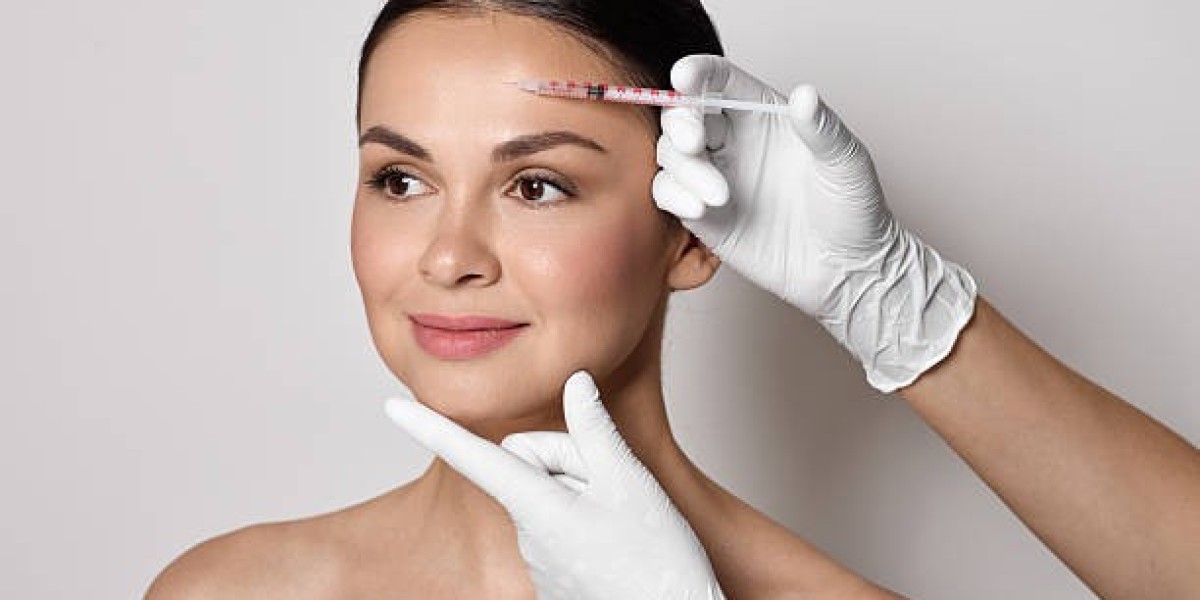

Safety should always be the priority when discussing any prescription-based medical treatment. Botox is a medicine containing botulinum toxin that temporarily affects communication between nerves and targeted muscles. Botox Injections in Riyadh Although it has established medical uses, it is not risk-free. Appropriate assessment, product quality, and professional oversight all play important roles in reducing potential complications.
People researching Botox Injections in Riyadh may encounter different claims about treatment benefits and safety. However, choosing a provider should never be based solely on advertising, convenience, or promotional offers. Understanding professional qualifications and medical responsibilities helps readers recognize why safe healthcare practices matter.
Why Provider Qualifications Matter
Botox requires medical knowledge and careful clinical judgment. A qualified healthcare professional understands the medicine, its intended uses, potential risks, and circumstances in which it may not be appropriate.
Knowledge of Medical Anatomy
Understanding anatomy is essential when evaluating treatments involving muscles and nerves. A trained professional can assess relevant structures and identify medical factors that may influence safety.
Important areas of knowledge include:
Facial and muscular anatomy.
Relevant nerves and muscle functions.
Possible interactions with existing medical conditions.
Potential unwanted effects and complications.
Appropriate medical assessment and follow-up.
Proper Medical Assessment
A responsible provider should review medical history, current medications, allergies, and previous treatment experiences. This assessment helps determine whether Botox has an appropriate medical role or whether another option should be considered.
Cosmetic Botox is generally intended for appropriately assessed adults. It should not be considered a routine treatment for teenagers. Younger patients require a clear medical indication and specialist oversight.
What Should Patients Know About Provider Credentials?
Professional titles and advertising statements do not always explain someone's actual qualifications. It is important to understand who is responsible for medical assessment and care.
Valid Healthcare Licensing
A provider should hold the appropriate professional licence and be legally authorized to perform the relevant medical procedure under local regulations. Patients should be able to understand the professional's role and qualifications.
Relevant Training and Experience
General healthcare experience does not automatically mean someone has the necessary training for every procedure. Appropriate education and experience with botulinum toxin products are important considerations.
Medical Responsibility and Communication
A qualified professional should explain the treatment's purpose, limitations, possible complications, and available alternatives. Patients should have enough information and time to make an informed decision without pressure.
Why Product Quality Is Essential
Provider qualifications are only one part of treatment safety. The medicine itself must also come from a legitimate, authorized source and be handled according to applicable medical requirements.
Authorized and Genuine Products
Unapproved, counterfeit, or improperly handled products may contain unreliable ingredients or different amounts of active substance than expected. These products can create serious health risks.
Appropriate Storage and Handling
Prescription medicines have specific storage and handling requirements. Healthcare professionals should follow the manufacturer's instructions and applicable regulations to maintain product quality.
Transparent Product Information
A responsible medical provider should be willing to explain which product is being used, its approved status in the relevant country, and where it was obtained. Questions about product authenticity should never be dismissed.
Warning Signs of Unsafe Botox Services
Certain practices may indicate that a service does not meet appropriate medical standards. Promotional claims should not distract from basic safety requirements.
Potential warning signs include:
No meaningful review of medical history.
Unclear professional qualifications or licensing.
Products from unknown or unauthorized sources.
Treatment offered in an unsuitable non-medical environment.
Pressure to make an immediate decision.
No explanation of possible side effects.
No clear arrangements for medical follow-up.
When important safety questions remain unanswered, it is reasonable to decline the service and seek appropriate medical advice.
Understanding Potential Risks and Complications
Even when administered by a qualified professional, botulinum toxin treatment can cause unwanted effects. These may include temporary discomfort, bruising, headache, or unwanted muscle weakness.
Rare but serious complications can occur if the effects of the toxin extend beyond the intended area. Symptoms may include:
Drooping eyelids or changes in vision.
Difficulty swallowing.
Speech difficulties.
Generalized muscle weakness.
Difficulty breathing.
Difficulty swallowing or breathing after exposure to botulinum toxin requires immediate emergency medical attention. Do not wait for symptoms to improve on their own.
Questions About Safety and Professional Care
Reliable medical care involves open communication. General questions about qualifications, product authenticity, and possible complications can help patients understand whether appropriate safeguards are in place.
When researching botox offers near me, remember that a lower promotional price does not establish medical quality or safety. A responsible healthcare professional should be able to explain:
Their relevant qualifications and legal authorization.
The medical purpose and suitability of the treatment.
The product's identity and authorized source.
Possible side effects and serious warning signs.
Available alternatives and follow-up arrangements.
A consultation should be informative rather than a sales conversation. No one should feel pressured to accept a medical procedure.
Conclusion
A qualified provider plays an important role in medical assessment, product verification, risk communication, and appropriate follow-up. Botox is a prescription medicine that requires responsible professional oversight, not a routine beauty service. Botox Injections in Riyadh should be discussed through accurate medical information, appropriate age and health considerations, and careful attention to safety rather than promotional claims.
For those seeking expert guidance and customized aesthetic care, you can book an appointment consultation at the 'Enfield Royal Riyadh.
Frequently Asked Questions
1. Why is a qualified Botox provider important?
A qualified professional can assess suitability, explain risks, and provide appropriate medical oversight.
2. Should a Botox provider have a healthcare licence?
Yes. The provider must have appropriate licensing and training under applicable local regulations.
3. Can counterfeit Botox products be dangerous?
Yes. Unverified products may be unsafe, contaminated, or contain unreliable amounts of active substance.
4. Is Botox completely risk-free when professionally administered?
No. Side effects and rare serious complications can still occur.
5. What symptoms require emergency attention after Botox?
Difficulty swallowing or breathing requires immediate emergency medical assessment.